






Introduction
The world of playtime is undergoing a remarkable transformation. Gone are the days when toys were simply blocks, dolls, or cars powered by imagination alone. Today, the rise of AI-powered toys is reshaping how children learn, interact, and have fun. But what truly sets AI toys apart from traditional toys? Let's dive deep into the differences, similarities, and the unique benefits that AI-powered playthings bring to the table.
What Are Traditional Toys?
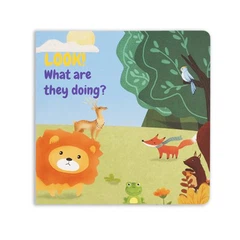
Traditional toys are the classics-think teddy bears, wooden trains, puzzles, board games, and action figures. These toys have stood the test of time, offering children endless opportunities for creativity, social interaction, and physical development. They don't require batteries (unless they're electronic), and their magic lies in simplicity and the power of imagination.
Key Features of Traditional Toys
Simplicity: Easy to use, no complex instructions.
Imagination-Driven: Children create stories, scenarios, and solutions.
Physical Engagement: Many require hands-on manipulation, improving fine motor skills.
Social Play: Often designed for group play, fostering teamwork and communication.
Durability: Made from robust materials, built to last.

What Are AI-Powered Toys?
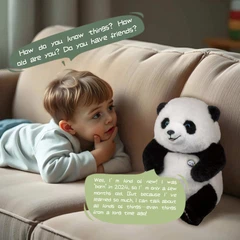
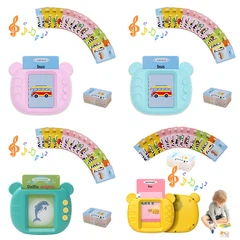
AI toys are the new kids on the block. Powered by artificial intelligence, these toys can learn, adapt, and respond to children in real time. Examples include interactive robots, smart plushies, voice-activated games, and coding kits. AI toys use sensors, microphones, cameras, and advanced algorithms to create personalized play experiences.
Key Features of AI Toys
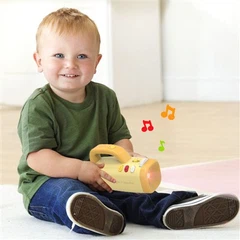
Interactivity: Respond to voice, touch, or movement.
Personalization: Adapt to a child's learning pace and interests.
Educational Value: Teach coding, language, math, and critical thinking.
Connectivity: Some can connect to apps or the internet for updates and new features.
Real-Time Feedback: Encourage progress with instant responses and challenges.
Comparing AI Toys and Traditional Toys
1. Learning and Development
Traditional Toys: Support open-ended play, imagination, and social skills. Building blocks, for example, foster creativity and spatial awareness.
AI Toys: Provide targeted learning, adaptive challenges, and can teach complex concepts like coding or foreign languages.
2. Interactivity
Traditional Toys: Interaction comes from children and peers, not the toy itself.
AI Toys: Toys interact directly with children, offering feedback, encouragement, and even conversation.
3. Customization
Traditional Toys: One-size-fits-all. Play experience is defined by the child.
AI Toys: Customize content and difficulty based on the child's age, skill level, and preferences.
4. Social Play
Traditional Toys: Excellent for group play, sharing, and collaboration.
AI Toys: Can encourage solo play, but many are now designed for multiplayer or family interaction.
5. Durability and Maintenance
Traditional Toys: Generally robust, easy to clean, and require minimal maintenance.
AI Toys: Need charging, software updates, and occasional troubleshooting.
Unique Benefits of AI-Powered Playthings
1. Personalized Learning Journeys
AI toys can recognize a child's strengths and weaknesses, tailoring lessons and challenges to maximize growth. For example, a coding robot may increase difficulty as a child improves, ensuring they are always engaged.
2. Instant Feedback and Motivation
With real-time responses, children know immediately if they've solved a puzzle or answered a question correctly. This boosts confidence and keeps them motivated.
3. Safe and Smart Play
Many AI toys come with parental controls and safety features, ensuring a secure play environment. Some can even monitor playtime and suggest breaks.
4. Future Skills Development
AI toys introduce children to technology, programming, and problem-solving-skills crucial for tomorrow's workforce.
5. Inclusivity
AI toys can adapt for children with special needs, offering tailored experiences that traditional toys may not provide.
Challenges and Considerations
While AI toys offer exciting possibilities, parents should be mindful of:
Screen Time: Balance tech play with offline activities.
Privacy: Check what data toys collect and how it's used.
Cost: AI toys tend to be more expensive than traditional options.
Durability: Electronic components may be less rugged.
The Perfect Playroom: Blending AI and Tradition
The best play environments combine both worlds. Traditional toys encourage imagination, social skills, and physical activity. AI toys supplement these with personalized learning, interactivity, and exposure to technology. Together, they create a balanced, engaging, and future-ready playroom.
Conclusion
The difference between AI toys and traditional toys is clear: while both foster creativity and learning, AI toys take play to a new level with personalization, interactivity, and advanced educational features. As technology continues to evolve, so will the ways children play. By embracing both traditional and AI-powered toys, parents can offer their children the best of both worlds-a foundation of creativity and a pathway to future skills.
Keywords: AI toys, traditional toys, compare, benefits, play, learning, technology, children, education, interactive, personalized