

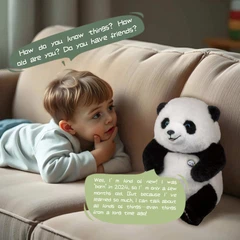
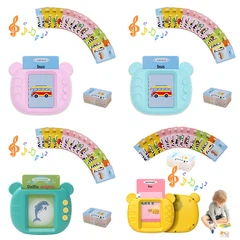
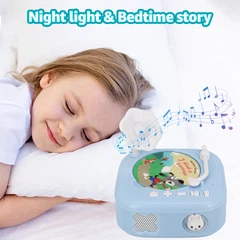






Remember the teddy bear from your childhood that listened to all your secrets? It was silent, warm, and forever kept your confidence. Today, the toy in your child's hand might be responding to their every call, remembering their every word, and even becoming their most "understanding" companion.
This is the AI toy-a revolution brought about by integrating artificial intelligence into traditional playthings. They can converse, teach, and interact, earning titles like "super nanny" and "all-round tutor." But beneath their intelligent, adorable exterior, a profound debate concerning privacy, security, and child psychological development is quietly emerging.
The Brilliant "Intelligent Companion"
There's no denying that the experience offered by AI toys is groundbreaking. Their potential as "companions" is astounding:
Personalized Companionship and Education: Traditional toys are one-sided, whereas AI toys can interact based on a child's responses. It can call the child by name, remember their favorite type of dinosaur, offer encouragement for correct answers, and answer countless "whys." This personalized interaction is something no pre-programmed toy can match.

Stimulating Interest and Potential: An AI globe that can discuss astronomy and geography with a child, or a robot that guides them through coding challenges-these are not just toys but sparks that ignite curiosity. They transform learning from passive reception into an active game of exploration.
New Possibilities for Emotional Support: For some introverted children or those with special needs, an ever-patient AI companion could become a safe outlet for emotions. It can listen to worries, tell soothing stories, and provide a sense of stable companionship.
Amidst these glowing attributes, AI toys seem like the perfect gift from the future. However, if we listen closely, we can detect a faint yet undeniable discord beneath the sweet electronic voice.
The "Digital Monitor" in the Shadows
When toys begin to "listen" and "see," the data they collect goes far beyond a child's laughter. The risks of their potential role as "monitors" are alarming:

The "Black Hole" of Data Privacy: Every conversation, every interaction is data. A child's voice, face, preferences, snippets of family dialogue, and even behavior patterns can be recorded and uploaded to the cloud. Where do these highly sensitive children's data go? How are they stored, used, and analyzed? The consequences of a data breach are unthinkable. This is akin to installing an unregulated "data collector" in a child's childhood.
The "Backdoor" of Security Vulnerabilities: There have been multiple alarming incidents in history: hackers exploiting vulnerabilities to infiltrate smart toys, engaging in inappropriate conversations with children, or even remotely controlling the toy's camera and microphone for surveillance. A connected toy with a camera, if lacking sufficient security, can become a "backdoor" to the family's private space.
The Algorithmic "Shaping" of Development: AI responses are based on its algorithms and training data. If the algorithm holds biases or conveys inappropriate content, it will subtly shape the child's worldview, values, and social skills. When a child's closest "companion" is built from code written by commercial companies, are we ceding part of our educational authority?

Between Embrace and Vigilance: A Required Course for Parents
We need not refuse AI toys entirely due to potential risks, but we must become( - clear-headed), responsible "digital gatekeepers." Before pressing "start" for your child, consider the following:
Scrutinize Data Policies: Before purchasing, take time to read (even if they are often lengthy and obscure) the privacy policies. Understand what data the toy collects, how it's used, whether it's shared with third parties, and what control you, as a parent, have.
Strengthen Security Practices: Set strong, unique passwords for the toy and any connected devices. Update firmware promptly to patch security vulnerabilities. When not in use, turn off the microphone and camera, or simply cut the power.
Place the Toy Within Relationships: The most important principle is that AI toys must never replace real human interaction. Parents should play with AI toys together with their child, using them as a medium for parent-child interaction, not as an "electronic babysitter." Guide children to think critically: "How does it know this answer?" "Is what it says always right?"
Initiate Honest Conversations: Tailor the discussion to your child's understanding. Use simple language to explain why the toy "talks" and how to protect their information. Teach them not to disclose sensitive information like home addresses or phone numbers in front of the toy.

Conclusion
AI toys, creations standing at the crossroads of our era, are both "companions" shimmering with technological light and potential "monitors" lurking in the shadows. Their true nature depends on how we manage them.
They should not be the sole protagonist of a child's childhood. Like the building blocks and crayons of our own youth, they should be tools used within a framework of safety, care, and guidance. In the future we build for our children, technology should bring enlightenment, not surveillance; companionship, not control. Before we press the power button, every choice we make is crucial.


