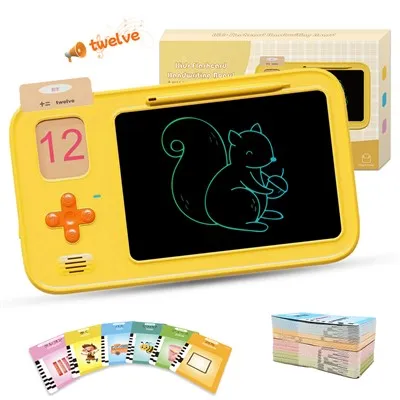

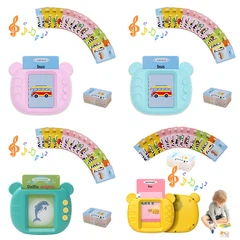
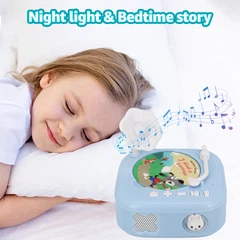


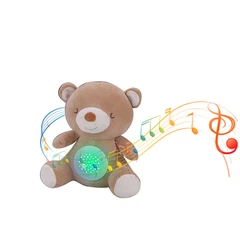
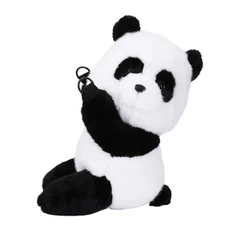
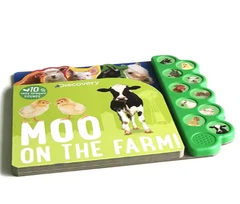
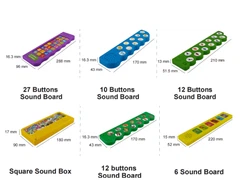

The global educational toy industry is entering a new stage of intelligent product transformation. Among all emerging categories, AI plush toys have become one of the fastest-growing segments due to their combination of emotional interaction, educational value, and smart technology integration.
Driven by advances in AI voice systems, embedded electronics, and early childhood education demand, AI plush toys are evolving from simple stuffed animals into intelligent learning companions.
As a professional OEM/ODM educational toy manufacturer, XDT continues to observe major structural changes in the global smart toy market, especially in preschool educational and emotional interaction products.
Why the AI Plush Toy Market Is Growing Rapidly
Modern parents are increasingly prioritizing products that combine:
Emotional companionship
Educational interaction
Screen-free entertainment
Language development
Smart learning experiences
Traditional plush toys mainly provided emotional comfort. However, modern consumers now expect interactive functions such as:
Voice communication
Storytelling
Music playback
Educational Q&A
Emotional response systems
This shift has accelerated demand for AI-powered plush toys across global retail and educational channels.

Key Market Changes in the Educational Toy Industry
1. The Shift From Traditional Toys to Smart Interactive Products
The toy industry is rapidly transitioning from passive entertainment products toward interactive educational systems.
| Traditional Plush Toys | AI Plush Toys |
|---|---|
| Static play experience | Interactive communication |
| No educational feedback | Language & cognitive learning |
| Limited long-term engagement | Personalized interaction |
| Simple manufacturing structure | Embedded smart electronics |
| Emotionally passive | Emotionally responsive |
Consumers now expect educational toys to provide measurable developmental value rather than simple entertainment.
2. Growing Demand for Screen-Free Learning
Parents worldwide are becoming increasingly concerned about excessive screen exposure among young children.
This has created strong market demand for products that provide:
Audio-based learning
Voice interaction
Parent-child storytelling
Emotional companionship
Non-screen educational engagement
AI plush toys fit perfectly into this market trend because they combine intelligent interaction with traditional soft toy comfort.
3. AI Technology Is Becoming More Affordable
One of the biggest industry changes is the decreasing cost of embedded AI hardware.
Several years ago, AI interaction systems were mainly limited to premium electronic devices. Today, advancements in:
Low-power AI chips
Embedded voice modules
Compact PCB systems
Battery optimization
Offline speech recognition
have made AI plush toy production more commercially scalable.
| Technology Trend | Industry Impact |
|---|---|
| Lower AI chip cost | Reduced manufacturing cost |
| Smaller PCB modules | Better plush integration |
| Improved battery efficiency | Longer play time |
| Offline voice systems | Better child privacy protection |
| USB-C charging adoption | Improved user convenience |
This allows more toy brands to enter the intelligent toy market.
Regional Market Trends for AI Plush Toys

Different global regions are showing unique purchasing behaviors and product preferences.
North America
The North American market focuses heavily on:
Educational value
STEM learning integration
Child-safe compliance
AI interaction quality
App-connected functionality
Popular channels include:
Amazon
Educational retailers
Preschool suppliers
Direct-to-consumer brands
Europe
European buyers prioritize:
Eco-friendly materials
GDPR privacy considerations
Montessori learning concepts
Minimalist product design
Sustainable packaging
Offline-capable AI plush toys are becoming increasingly important due to data privacy concerns.
Southeast Asia
Southeast Asian markets are experiencing rapid growth due to:
Rising middle-class consumption
Strong e-commerce expansion
Demand for bilingual learning products
Increasing preschool education investment
Affordable smart educational toys are becoming highly competitive in this region.
Middle East
Middle Eastern buyers increasingly seek:
Premium gift-oriented educational toys
Arabic language support
Luxury packaging
Emotional storytelling products
AI plush toys with multilingual storytelling functions are performing particularly well.

Consumer Behavior Changes in the Smart Toy Industry
Modern parents no longer purchase toys based only on appearance.
Today's buyers focus heavily on:
| Consumer Priority | Market Impact |
|---|---|
| Educational value | Higher demand for learning functions |
| Safety compliance | Strong certification requirements |
| Emotional interaction | AI companionship growth |
| Screen-free learning | Audio-based products increasing |
| Product durability | Higher manufacturing standards |
| Rechargeable systems | Reduced disposable battery demand |
This shift is forcing manufacturers to improve both engineering capability and educational content integration.
OEM & ODM Trends in AI Plush Toy Manufacturing
The global toy industry is increasingly shifting toward customized OEM/ODM development instead of standard wholesale models.
Brands now expect manufacturers to support:
AI voice system integration
Plush structure engineering
Embedded software development
Customized educational content
Multi-language interaction
Mobile app connectivity
Character IP integration
Packaging design
As an experienced OEM/ODM educational toy manufacturer, XDT supports integrated development solutions covering electronic engineering, plush production, embedded AI systems, and customized educational interaction design.
Future Industry Trends for AI Plush Toys
The AI plush toy market is expected to continue growing as AI technology becomes more advanced and affordable.
Future product trends may include:
Emotional AI interaction
Personalized learning systems
Adaptive educational content
Cloud-assisted voice learning
AI storytelling ecosystems
Smart sleep guidance systems
Real-time language interaction
| Future Trend | Industry Direction |
|---|---|
| Emotional AI | More human-like interaction |
| Personalized learning | Adaptive education systems |
| Offline AI systems | Better privacy protection |
| Voice emotion detection | Enhanced emotional engagement |
| Multi-language support | Global market expansion |
| Sustainable materials | Eco-friendly product demand |
However, the core market demand will remain focused on safe, emotionally engaging, and educationally valuable products for children.