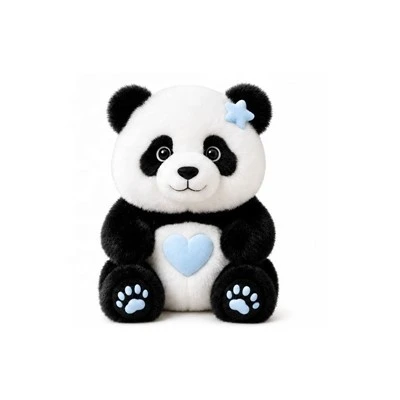

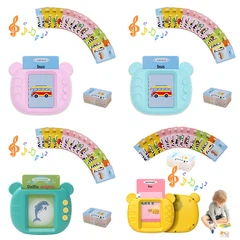
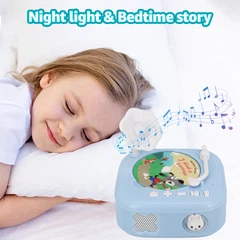
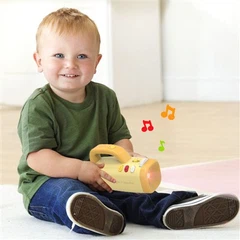

In the rapidly evolving smart toy industry, AI technology has become a core driver for enhancing interactivity and engagement in children's products. Among various solutions, the T5 chip stands out as a high-performance, ecosystem-integrated platform widely adopted for AI plush toy customization. This article explores the T5 chip's applications, key advantages, hardware recommendations, and development strategies in AI toy projects-offering practical insights for manufacturers, developers, and brands looking to create next-generation intelligent companions.
What Is the T5 Chip?
The T5 chip (commonly referring to models like T5-E1) is a highly integrated IoT processor built on the ARMv8-M Star architecture, capable of running at clock speeds up to 480 MHz. It features a built-in Neural Processing Unit (NPU) optimized for efficient on-device AI tasks such as voice wake-up, speech recognition, and lightweight model inference.
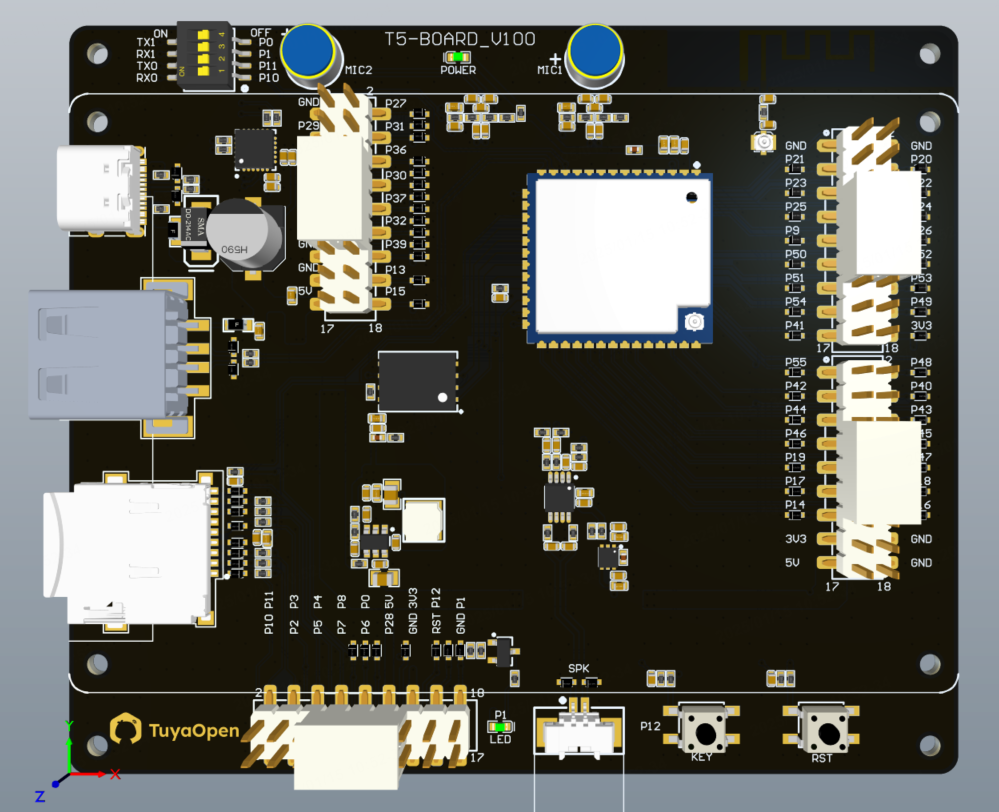
Designed for embedded applications, the T5 chip combines strong local computing power with seamless cloud connectivity (typically through Tuya's global ecosystem). This makes it especially suitable for battery-powered, voice-first devices like plush toys, where low latency, reliable wake-up performance, and stable cloud interaction are essential.
Compared to fully open-source alternatives, the T5 emphasizes fast development cycles, mature ecosystem support, and global server reliability-ideal for products targeting international markets.
Key Advantages of the T5 Chip in AI Plush Toys

The T5 chip excels in several critical areas that directly impact AI toy performance and market readiness:
Strong On-Device AI Capabilities - The integrated NPU enables robust local processing of wake words, basic intent recognition, and content filtering, reducing reliance on constant cloud connectivity and improving offline responsiveness.
Optimized Cloud Integration - Paired with overseas servers, it delivers stable, low-latency performance for global users while providing built-in content moderation and strong privacy compliance-particularly valuable for children's products sold internationally.
Fast Development & Time-to-Market - Leveraging a mature software-hardware ecosystem, projects can achieve rapid prototyping, custom wake-word training, and full voice interaction (including barge-in and continuous conversation) in a short timeframe.
High Supply Chain Reliability - As a widely used commercial-grade solution, T5 modules benefit from abundant stock availability, consistent sample performance, and proven mass-production track record in smart home and toy categories.
These strengths make the T5 route particularly attractive for first-generation products aiming for quick market validation and stable shipments.
Typical Customization Workflow for T5-Based AI Plush Toys
Developing a voice-interactive AI plush toy with the T5 chip generally follows these streamlined steps:
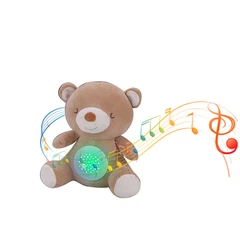
Product Specification & Concept - Define overall size (medium-scale plush with enlarged head for module and speaker accommodation), interaction style (button-free DSP voice wake-up + continuous dialogue + barge-in), and structural design (rectangular module housing that runs through body to head for easy removal/charging).
Hardware Selection - Choose battery capacity that balances runtime, safety, and size; select multimedia speakers with dedicated sound chambers for stereo-quality audio; consider optional sensors (gyroscope for orientation feedback or touch sensors for extra triggers).


Software & AI Integration - Implement DSP-based wake-up engine, train custom wake words, enable full-duplex conversation, and connect to cloud-based large language models for rich, natural responses.
Prototyping & Validation - Use readily available reference samples for early functional testing, iterate on plush design (e.g., hook-and-loop closure for easy cleaning), and run parallel safety certifications.
Production Ramp-Up - Finalize molds and assembly processes, conduct small-batch pilot runs, then scale to volume production.
Parallel execution of hardware, firmware, and plush development can significantly shorten the overall timeline from project kickoff to market launch.
Recommended Hardware Specifications
Successful T5-based AI plush toys share several hardware best practices:
Form Factor & Structure - Medium-sized plush body (~35×30 cm range) with slightly enlarged head to house electronics and ensure clear audio output. Use a long rectangular module shell that spans from torso to head, paired with hook-and-loop fasteners instead of zippers for easy washing.
Battery - Medium-capacity rechargeable lithium-polymer battery is the sweet spot-providing sufficient daily usage (several hours of active conversation) while maintaining compact size, production stability, and child-safe thermal/electrical characteristics.
Audio System - High-quality 4Ω multimedia speaker + independent acoustic chamber design to deliver clear, immersive stereo sound.
Optional Enhancements - Gyroscope for posture/orientation-based responses or capacitive touch for additional interaction modes.
All materials and electronics must comply with strict children's toy safety standards (e.g., CE, ROHS, FCC, ASTM F963, CPSIA).
Development Strategy: T5 vs. Alternative Routes
When choosing a core platform, teams often compare the T5 ecosystem route against more open, customizable alternatives:
T5 Route - Prioritizes speed, stability, and ecosystem maturity. Ideal for initial market-entry versions where fast iteration, reliable supply, and global cloud performance are priorities.
Open/Flexible Route (e.g., dual-core Wi-Fi SoCs with custom AI integration) - Offers maximum design freedom, no recurring cloud platform fees, and easier long-term cost optimization. Better suited for second-generation or high-volume products.
Recommended phased approach: Launch first with the T5-based version to secure quick, stable shipments and gather real-world user feedback. Simultaneously prepare an alternative-route iteration (reusing the same plush shell, mold, and structure) to reduce dependency and enhance future competitiveness.
Why T5 Customization Powers the Next Wave of AI Plush Toys
The T5 chip provides a powerful, balanced foundation for building intelligent, voice-driven plush companions that delight children while meeting modern safety and performance expectations. Its combination of strong local AI, reliable global cloud support, and accelerated development path makes it a go-to choice for brands entering or expanding in the AI toy space.
As voice interaction and emotional companionship become central to children's play, platforms like the T5 will continue driving innovation in smart plush design. Whether you're prototyping your first AI toy or planning the next generation, understanding T5 customization is a strategic step toward creating engaging, future-ready products.