





Play is entering a new era in 2026 where intelligence meets imagination and technology serves children instead of the other way around. The most compelling toys are adaptive, privacy‑respectful, and designed to amplify creativity through hands‑on experiences. AI Loves Play is not about screens replacing blocks or storybooks. It is about making physical play richer, more responsive, and more personalized.

Adaptive learning sits at the heart of this trend as smart toys sense a child's pace and gently adjust the challenge so progress feels natural rather than forced. When a learner hesitates the toy slows down and offers scaffolded hints. When confidence grows the toy adds complexity and celebrates mastery. Sessions are short and focused to reduce fatigue while maintaining curiosity.
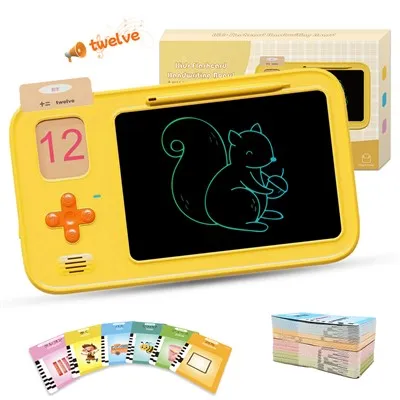
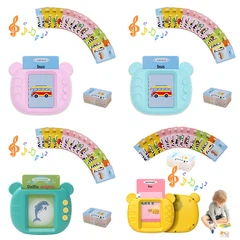
Multimodal interaction transforms ordinary play spaces through voice, touch, motion, and vision working together so toys can recognize pieces placed on a table, track how children assemble structures, and respond with story beats or guidance. A building set becomes a puzzle that talks back. A music cube listens and harmonizes. A flash card platform maps each card to its own audio track so children can hear native pronunciation and cultural context in the moment.

Personalization extends beyond content into language and tone with mother‑tongue prompts making the experience feel truly local and welcoming. Educators can choose formal guidance for classrooms while parents select warmer voices for home. Accents, pacing, and feedback style can be tailored to different age groups and learning needs. Inclusivity is built into the user experience rather than added later.
Safety and privacy are design requirements rather than afterthoughts as the most trusted products prioritize offline‑first operation so core features work without constant connectivity. Data footprints remain minimal and transparent. Parents receive clear controls for updates, audio pack management, and session summaries. Firmware is signed and content libraries are replaceable which supports longevity and reduces electronic waste.

The content pipeline has become radically more agile so educators and brands can start with simple text files and convert them to high‑quality audio in minutes which means curricula can be refreshed frequently without new hardware. A deck with 224 cards can host 224 independent tracks that are easy to swap and upgrade. Seasonal themes, regional language packs, and partnership editions can launch quickly and stay relevant.
Physical customization is part of the creative journey with blank card faces inviting handwriting and sticker design so learners can make the visuals their own. Materials favor durability and a pleasant pen feel. Children assemble, label, and listen which strengthens memory through touch and repetition. Tangible play remains central while intelligence quietly enhances the experience.
For schools and learning centers AI Loves Play supports evidence‑based practices such as spaced repetition, immediate feedback, and gradual release of responsibility. Teachers gain control over content mapping and language settings while preserving classroom rhythms. For families the setup is simple and the sessions fit naturally into daily routines. For brands and manufacturing partners standardized hardware lowers cost and risk while software content drives differentiation.

This trend also reimagines accessibility as adaptive pacing and localized audio help emerging readers, multilingual learners, and children with diverse needs participate fully. Toys coach rather than correct. Encouragement replaces interruption. A focus on effort and progress sustains motivation and confidence.
Looking ahead the most successful intelligent toys will blend tactile joy with contextual understanding as models better read intent and offer possibilities instead of prescriptions. Collaboration will expand as toys invite siblings and friends into shared challenges and creative storytelling. Screen time will remain optional and purposeful.

AI loves play because play is where children learn to imagine, persist, and connect and in 2026 intelligent toys are becoming companions that honor those values while opening doors to languages, music, science, and culture. When technology listens and responds with care children lead the adventure and learning follows with delight.