


Part 1 · Certification questions
1. Which certifications do you hold, and which markets do they cover?
Factory level: ISO 9001 (quality management), BSCI and Sedex (social and ethical audits). Product level: CE, EN 71, RoHS and UKCA for the EU and UK, FCC for the US electronics side, with raw materials compliant with RoHS and CPSIA requirements. Market-specific testing such as ASTM F963 is arranged per program. We also hold 100+ product patents and are recognised as a National High-Tech Enterprise.
2. Does a certificate name my specific model, or is it platform-level?
This is the question buyers should always ask, and the answer determines whether the document is usable for your launch. A platform-level certificate covers an existing certified design; a model-specific report covers the exact SKU and configuration you are buying. If your order changes the shell, electronics or power design, confirm which document applies before you commit - a certificate that names a different configuration will not survive a retailer's or marketplace's review.
3. How can I verify a certificate is genuine?
Ask for the certificate number and issuing body, then verify directly with the issuing organisation. For FCC-related authorisations, the identifier is publicly searchable. Also check that the certificate names the manufacturer entity you are actually contracting with - this is where mismatched paperwork usually shows up.
4. Who arranges and pays for market-specific testing?
Test scope, timing and cost allocation are agreed at quotation stage, because they depend on the product, the target market and the number of configurations. In practice, testing is quoted together with the program so it does not appear later as an unbudgeted line item. Bring your destination markets and age grade to the first conversation and the scope can be fixed early.


5. Our retailer sent a compliance checklist. Can you match it?
In most cases yes - and the earlier the better. Share the checklist before the quotation is finalised so testing scope and document preparation are built into the schedule. Retailers and marketplaces increasingly require evidence at listing, so a checklist that arrives late becomes a launch delay rather than a paperwork task.
6. How do I read a BSCI or Sedex audit report?
Three things matter: the date and validity period, the audit grade or rating, and the site covered. Reports expire, and an expired report is treated as no report by most retail compliance teams. Ask for the current version covering the producing site, not just any report from the group.
7. Our product has Bluetooth or Wi-Fi. What does the US market require?
Wireless-enabled products fall under a separate authorisation regime from general toy safety: the radio module needs the appropriate authorisation for the destination market, which for the US typically means an FCC identifier for the intentional radiator. This is separate from CE/EN 71 toy safety and separate from battery transport rules. It is also the item buyers most often discover late, so raise connectivity at the brief stage.


8. What documents do lithium batteries need for shipping?
Carriers require UN38.3 test documentation and safety data sheets for lithium cells, along with correct package marking. This applies whether the battery is installed in the toy or shipped separately. The requirement sits with the shipper, and it is a common cause of cargo being held at origin - so it belongs in the shipment planning checklist, not the afterthought list.
9. If we change the design after certification, does it need retesting?
It depends on what changed. Changes to materials, power systems, radio modules or elements affecting child safety generally require re-evaluation; cosmetic changes to colour or packaging usually do not. The practical rule: freeze the functional and safety-relevant design before testing, and keep later changes in the cosmetic layer. Where a change is unavoidable, ask which tests are affected before production starts rather than after.
Part 2 · Client case questions
10. Can you share client case studies?
Specific project cases are not published, because most of our programs are covered by non-disclosure agreements. What we can share is different in kind but still useful: the certification file set, inspection records, per-unit functional test records, and the customer reviews published on our site. A supplier that freely publishes client projects will do the same with yours.
11. Can you give me a reference customer I can talk to?
References require the other party's consent, so it depends on the customer. Where a client has agreed, references can be arranged; where they have not, an audit or factory visit plus the inspection documentation gives you comparable evidence. Confidentiality works in both directions - the same protection you would want for your own project.


12. Have you made a product similar to mine?
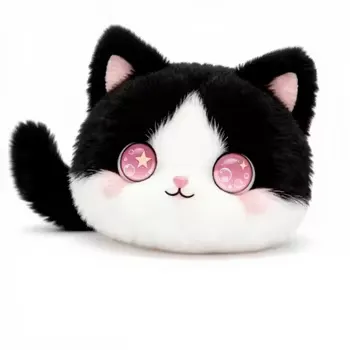
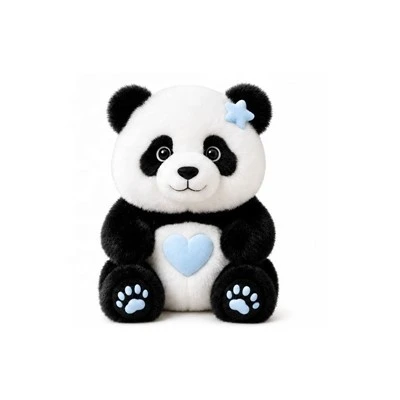
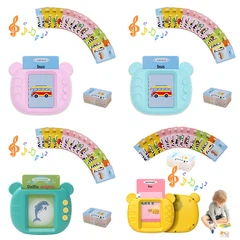
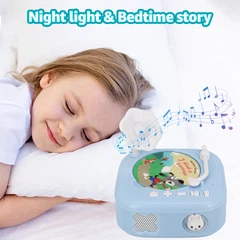
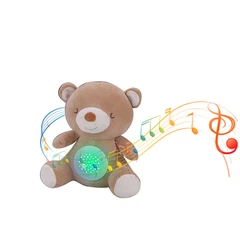
In most AI plush and sound toy categories, yes - the relevant experience is usually visible in the platform rather than in a named case. Across development history, that includes sound and light module designs, high-volume voice products, RFID/NFC story machines, talking flash cards, LED mood-eye plush and AI learning machines. Ask for the closest platform and then examine the sample, which tells you more than a project list would.
13. Have you worked with buyers in my market?
Exports cover 120+ countries and regions, and certifications are maintained for EU, UK and US market placement. If your retailer has a specific national requirement, raise it at the brief stage - the more specific the destination, the more precisely test scope can be set.
14. How do you reduce risk on a first order?
Three practical levers. First, start from an already certified platform and customize within it - stock customization starts from 100 pcs, so a trial batch does not require a full development budget. Second, control the sampling gate: sign off a Golden Sample and hold reorders to it. Third, verify rather than trust - request the AQL inspection report and per-unit test records, and either visit the factory or appoint a third-party inspection such as SGS, TÜV, BV or Intertek. Full custom development starts from 1,000 pcs, with OEM lead times of roughly 45–60 days and ODM programs of 60–90 days.
What both sets of questions have in common
Every answer above ends in the same place: documentation you can check, or a small trial you can run. Certification and client references are not marketing material - they are risk management tools. A supplier that answers these fourteen questions with documents and sample gates, rather than assurances, is the one worth a first order.