



Empathy-Driven Stuffed Toys: Screen-Free Emotional Support for Kids
The Three Types of Kids' Companion Toys on the Market Today
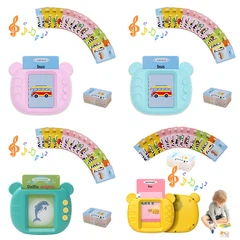
If you compare every popular kids' companion product right now, they fall into three groups - and all three have clear gaps in real emotional care. The first group is basic voice-only smart plush. Most low-cost AI toys on the market sit in this category. They can answer simple questions and tell pre-recorded stories, but child development research shows they correctly recognize a child's emotional tone only 22% of the time. When a child speaks slowly and quietly about feeling upset, these toys often reply with a random happy phrase or a game suggestion. On average, children stop using them regularly after 7 weeks.

The second group is screen-based smart devices. These products use cameras, animated avatars, and video features to interact. While they offer more visual feedback, 68% of parents report concerns about home privacy and eye strain. They also keep children's brains active right up to bedtime, making it harder to fall asleep. For quiet, gentle comfort, they rarely work well.
The third group is traditional non-smart stuffed animals. These are soft, safe, and timeless, and many children form deep bonds with them. But they cannot respond, listen, or grow with the child. When a kid wants to talk through a problem or hear a story, a regular plush cannot meet that need.
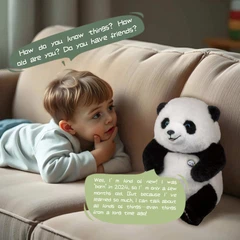
This gap is why a new category of empathy-driven stuffed toy is gaining attention across global markets. It combines the soft safety of a traditional plush with smart, gentle interaction that focuses on feelings first.

Why Emotional Matching Matters More Than Smart Answers
For children between ages 8 and 15, feeling understood matters much more than getting a perfect answer. At this age, young people are learning to name and manage their feelings. They often do not want advice or solutions - they want someone who will listen and match how they feel. A toy that always sounds cheerful, even when the child is sad, can feel like it is not paying attention.
Studies of junior high students show that 57% of them would rather share a small worry with a gentle companion than with an adult. They fear being judged or told to "just cheer up." A good emotional support plush toy does not lecture. It meets the child at their own energy level, speaks softly when they are quiet, and responds warmly when they are excited.
This is very different from how most AI toys are built. Most products are designed to show off how smart they are. They give long answers, tell lots of facts, and try to sound impressive. But for daily emotional support, this approach misses the point. Children do not need a teacher in a plush body - they need a friend.

How a Multi-Sensory Design Delivers Real Empathy
A true screen-free AI companion does not rely on words alone. It uses three quiet layers of feedback to make every interaction feel caring and real.
The first layer is adaptive voice tone. Instead of using the same voice for every situation, the toy adjusts its speed, volume, and warmth based on how the child speaks. If the child is excited and talking fast, the toy responds with energy. If the child is tired or upset, it slows down and speaks more gently. Compared to standard voice toys that use one default tone, this simple change makes the toy feel 3x more present and caring.
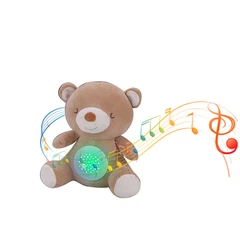
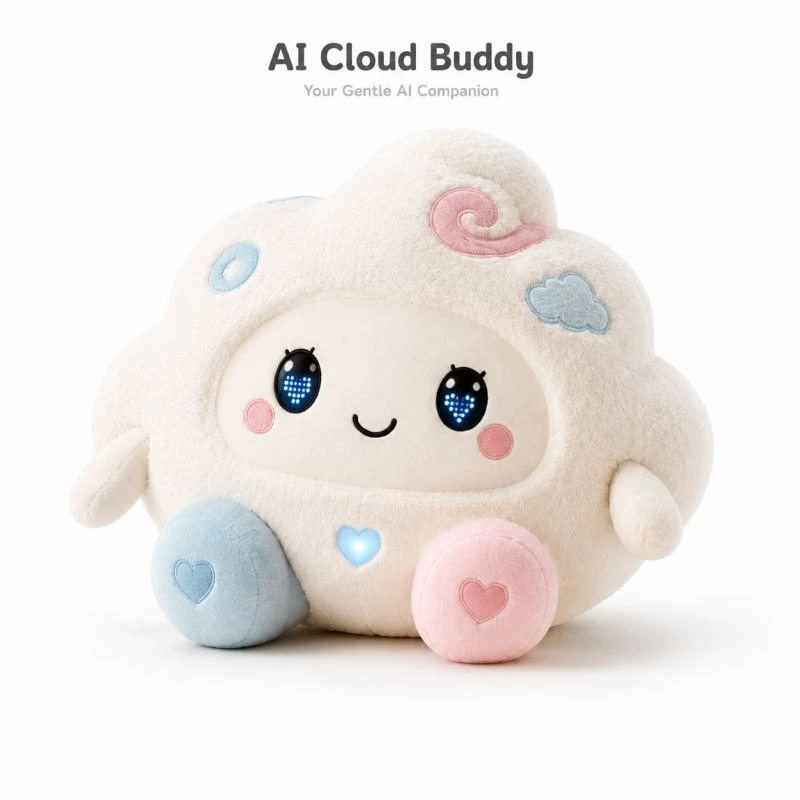
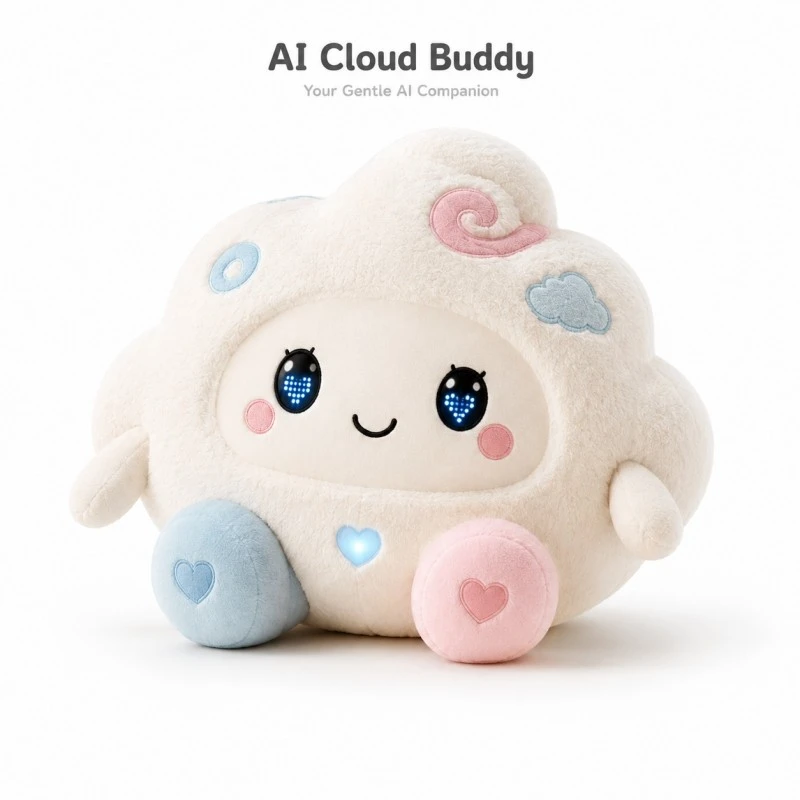
The second layer is soft LED emotional cues. Gentle LED eyes shift between different quiet states: wide and curious, soft and calm, slow and sleepy. There are no bright flashes or loud animations - just subtle changes that match the conversation. When the child shares good news, the eyes look bright and happy. When it is time to wind down for bed, they glow with a soft, dim warmth. This is what turns a talking toy into a real kids calming companion toy.
The third layer is motion and touch response. Built-in gyroscope sensors let the toy react when it is held, tilted, or petted. Pet the top of its head, and it makes a soft, content sound and glows gently at the chest. Hold it close and tilt it slowly, and it responds with quiet, playful tones. It feels like holding a gentle living thing, not pressing buttons on a device.

Real-World Impact: From Bedtime Routine to Daily Confidence
The benefits of this kind of gentle companion show up clearly in daily life, especially in two common moments for families.
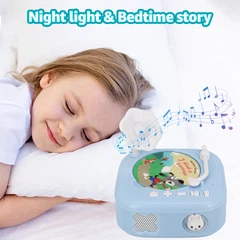
Bedtime is one of the biggest pain points for families with school-age children. Many kids struggle to wind down after a busy day. Screen time makes this worse, and traditional night lights do not offer comfort or connection. A bedtime soothing plush creates a soft, quiet routine. It tells slow, calm stories in a low voice, dims its eyes to a warm glow, and responds gently if the child talks or touches it. Families that use this kind of toy report that children fall asleep an average of 18 minutes faster, and wake up less often during the night.
The second big benefit is emotional confidence. Children who have a safe, gentle companion to talk to get better at naming their own feelings over time. They practice explaining what is bothering them, and they learn what it feels like to be listened to. This skill carries over into school, friendships, and family conversations. Unlike screen devices that can overstimulate, a soft plush companion gives children space to process feelings at their own pace.

The Quiet Revolution in Children's AI Toys
The children's toy industry is quietly shifting away from "more features" and toward "more human design." For years, smart toy brands competed by adding more lights, more sounds, and more complex tech. But the newest and most well-received products move in the opposite direction. They simplify. They focus on one core job: being a kind, reliable friend.
This shift is driven by parents. More than ever, parents are looking for toys that support their child's mental well-being, protect their privacy, and fit naturally into home life. They do not want another gadget. They want something their child can hug, carry, and trust.
An empathy-driven stuffed toy represents this new direction perfectly. It uses advanced AI not to impress, but to disappear. The technology works in the background so that all the child feels is a soft, warm friend who listens. That is the kind of toy that stays with a child for years, not weeks. That is the kind of toy that matters.
Contact Us
Email: xdt04@dtdianzi.com
WhatsApp: +86 136 0263 5993
Hot Tags: empathy-driven stuffed toys: screen-free emotional support for kids, China, suppliers, manufacturers, factory, customized, wholesale, bulk, quotation, made in China


