


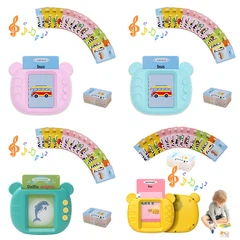
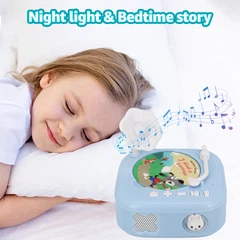

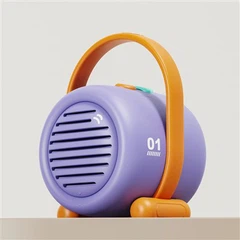
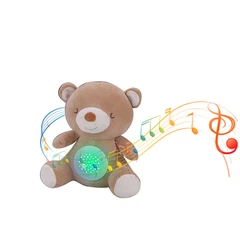



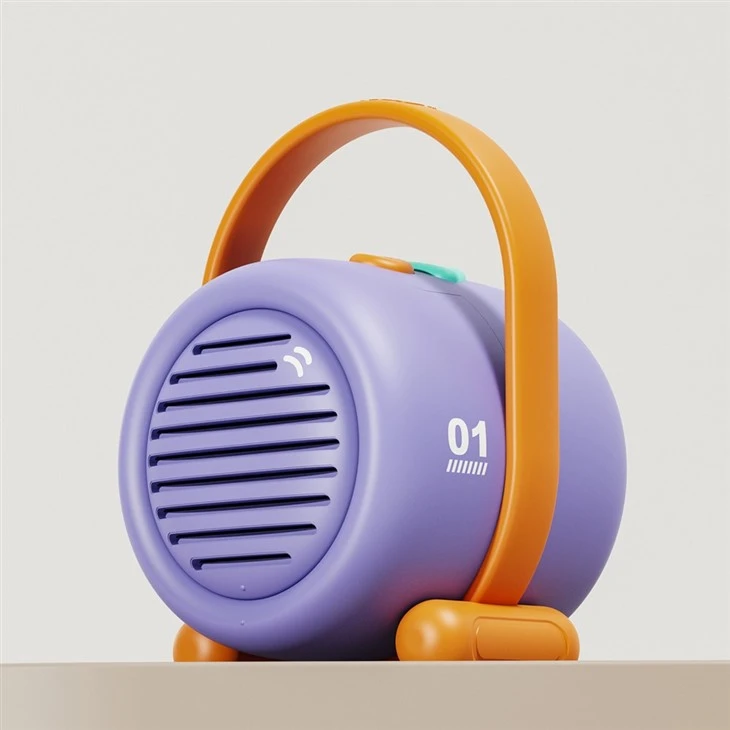
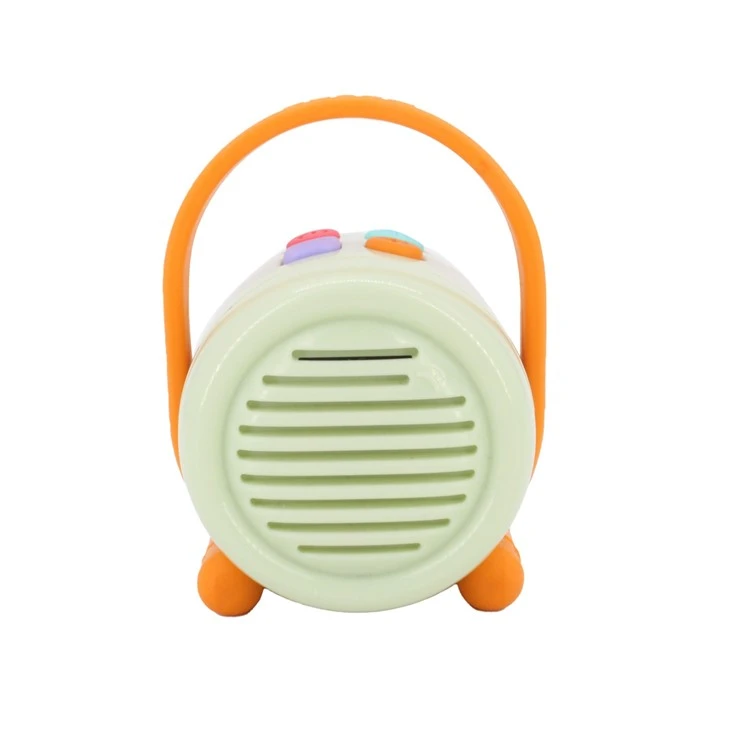

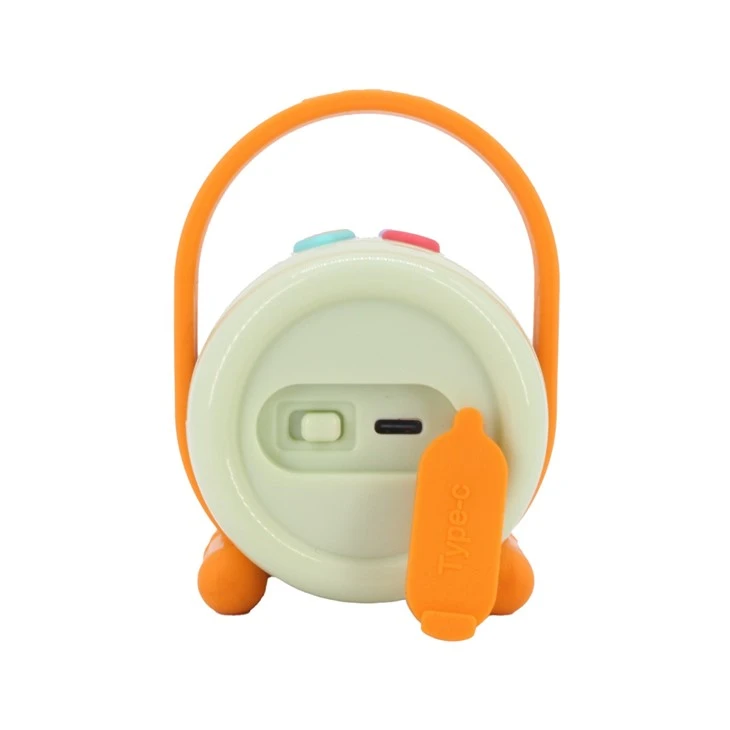
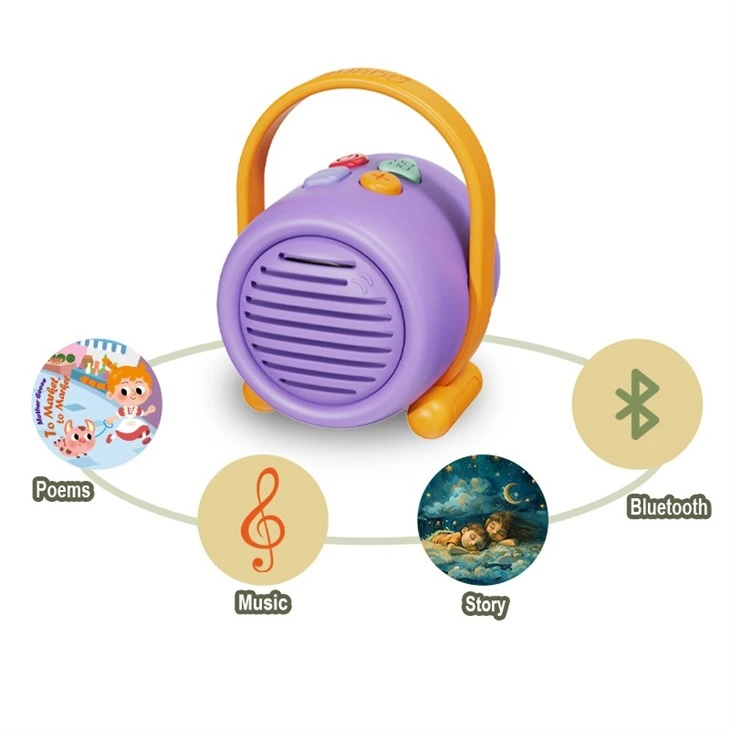
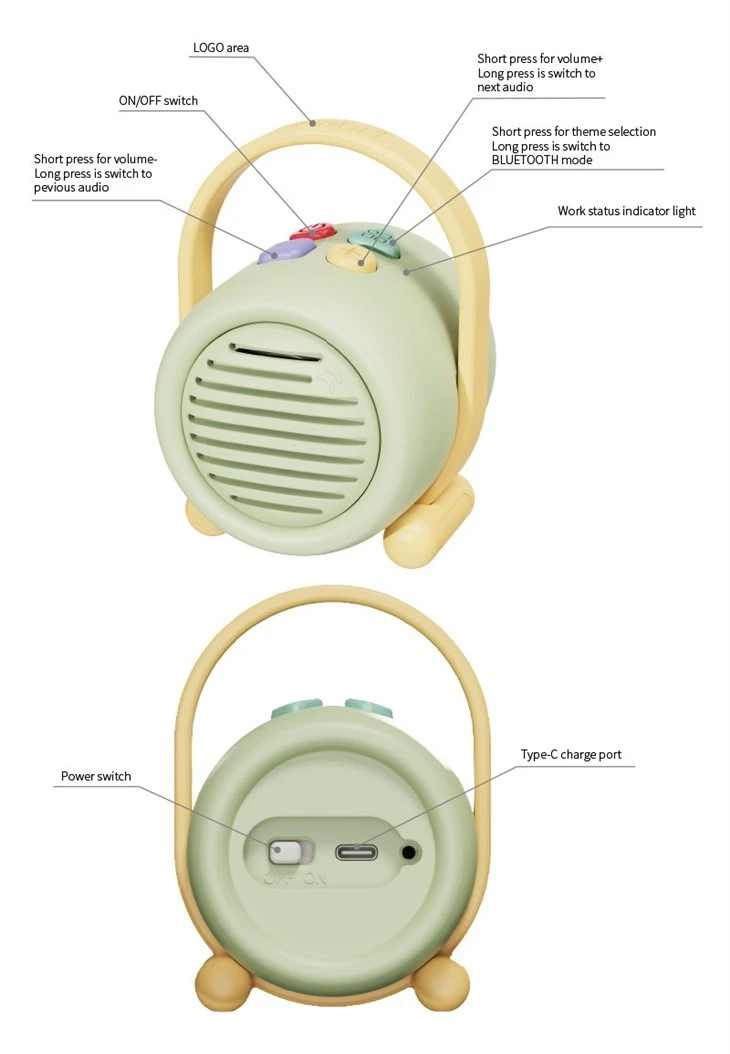
A Bluetooth Story Machine is an embedded audio device designed for early childhood education that combines two core functionalities:
Offline storytelling playback system (local content mode)
Bluetooth wireless audio receiver (speaker mode)
This hybrid architecture allows the device to function both as a dedicated children's educational story player and as a portable Bluetooth speaker for external audio sources such as smartphones, tablets, and computers.
It is widely used in early learning products, educational toys, and portable audio devices due to its flexible content architecture and multi-scenario usability.
System Architecture Overview

A Bluetooth Story Machine typically consists of the following hardware subsystems:
2.1 Bluetooth Communication Module
The Bluetooth subsystem is responsible for wireless audio streaming.
Bluetooth version: 5.0 / 5.1 / 5.3 (depending on product tier)
Profiles supported: A2DP (audio streaming), AVRCP (media control)
Low-latency audio transmission
Stable pairing and reconnection logic
Automatic device memory for last connected source
This module enables the device to function as a wireless speaker endpoint.
2.2 Embedded Audio Playback System (Offline Mode)
The offline storytelling system is the core of the educational function.
Audio formats: MP3, WAV, AAC (implementation dependent)
Storage types:
Onboard SPI Flash (cost-optimized models)
External TF/SD card expansion
Content indexing system (ID-based playback mapping)
Fast track switching with minimal latency
This subsystem ensures fully independent operation without external devices.
2.3 Microcontroller Unit (MCU)
The MCU acts as the central control processor.
Common architectures:
ARM Cortex-M series
ESP32 (WiFi + Bluetooth integrated solutions)
Key functions:
Bluetooth state management
Audio routing control (BT vs local mode switching)
Button input processing
Power management and sleep modes
System boot and firmware control
2.4 Audio Processing and Amplification System
The audio output chain typically includes:
Digital audio decoder (DAC or integrated SoC)
Class-D audio amplifier
Full-range speaker unit (3W–10W typical range)
Digital volume control (software-limited for child safety)
Advanced designs include:
Dynamic range compression (DRC)
Voice enhancement EQ tuning for storytelling clarity
Anti-distortion protection at high volume levels
2.5 Power Management System
Rechargeable lithium battery (typically 1200mAh–3000mAh)
Charging interface: USB Type-C (5V input)
Battery protection IC (overcharge, over-discharge, short-circuit protection)
Low-power standby mode (<100µA in deep sleep design)

Dual Operating Modes

3.1 Offline Story Mode (Local Playback)
In this mode, the device operates as a standalone educational audio player.
Features:
Preloaded storytelling content
Nursery rhymes and educational tracks
Language learning modules
No internet dependency
Technical advantages:
Deterministic playback latency
High system stability
Secure content isolation
Reduced RF interference dependency
3.2 Bluetooth Speaker Mode
In this mode, the device acts as a wireless audio endpoint.
Supported use cases:
Streaming music from smartphones
Online educational content playback
Audiobooks and podcasts
External media playback control
Technical characteristics:
Real-time audio streaming via A2DP
Device auto-switching between modes
Priority-based audio routing (BT overrides local playback)
Seamless reconnection after power cycle
Audio Switching Logic
A typical Bluetooth Story Machine implements an audio arbitration mechanism:
Priority Hierarchy:
Bluetooth streaming (highest priority)
User-triggered system audio (buttons/events)
Background local playback
When Bluetooth is connected:
Local playback is paused or muted
Audio input source switches to BT decoder path
When Bluetooth disconnects:
System restores last local playback state automatically

Key Technical Features
5.1 Dual-Mode Audio Architecture
Combines embedded storage playback + wireless streaming in one system.
5.2 Low-Latency Audio Switching
Optimized firmware ensures near-instant transition between modes (<200–500ms typical).
5.3 Child-Safe Audio Control
Maximum volume limiting via firmware
Hardware-level gain restriction
Anti-peaking audio protection
5.4 Stable Wireless Connectivity
Adaptive frequency hopping (AFH)
Auto-reconnect after disconnection
Multi-device pairing memory (optional design)
5.5 Low Power Embedded Design
Efficient MCU sleep modes
Audio amplifier shutdown during standby
Smart power domain switching
Application Scenarios
6.1 Early Childhood Education Devices
Story playback systems
Language learning tools
Interactive educational toys
6.2 Portable Bluetooth Speaker Use
Home audio playback
Travel entertainment
Outdoor use cases
6.3 Smart Toy Ecosystems
IP-based storytelling devices
Multi-device synchronized content systems
App-connected educational platforms (advanced versions)
A Bluetooth Story Machine is a hybrid embedded audio system that integrates offline educational content playback with Bluetooth wireless streaming capability.
From an engineering perspective, it is a dual-mode audio architecture device combining:
Embedded MCU control system
Bluetooth communication stack
Digital audio decoding pipeline
Power-optimized embedded design
This makes it both a children's educational tool and a general-purpose portable Bluetooth speaker, significantly increasing product versatility and market applicability.
Hot Tags: technical overview of a dual-mode audio learning device, China, suppliers, manufacturers, factory, customized, wholesale, bulk, quotation, made in China


