1. Safety First
The most critical consideration.
Use non-toxic materials (BPA-free plastic, lead-free paint, etc.)
Avoid sharp edges, small parts (choking hazard), or breakable components
Comply with safety standards (e.g., ASTM, CPSC in the US, CE in Europe)
Age-appropriate design (especially for kids under 3)
2. Developmental Value
Does the toy support the child's growth and learning?
Cognitive development (problem-solving, memory)
Motor skills (fine and gross)
Social-emotional learning (empathy, sharing)
Language and communication
Example:
Stacking blocks help with spatial awareness and fine motor skills.
Pretend play toys boost imagination and social development.
3. Creativity & Imagination
Encourage open-ended play.
Toys that don't have just one "right" way to play are more stimulating.
Think of building sets, art supplies, or pretend play kits.
These help children express themselves and explore freely.
4. Engagement & Fun
If it's not fun, they won't play with it.
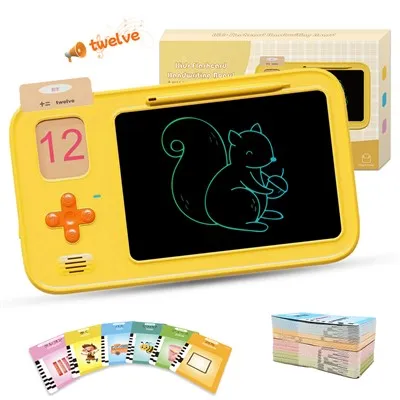
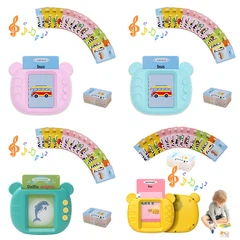
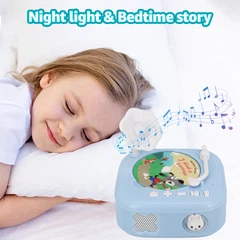
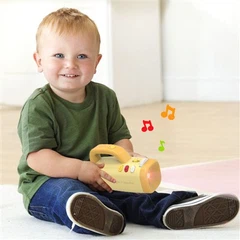
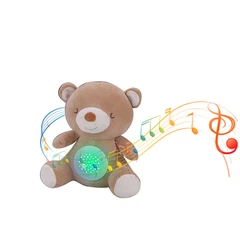
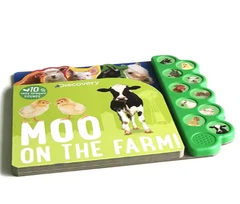
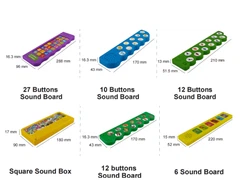
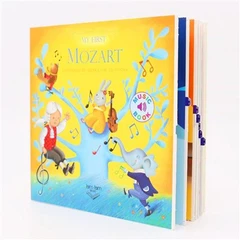
Bright colors, interesting textures, and interactive features (sound, movement, lights) can increase engagement.
Consider toy longevity - will it entertain beyond a few uses?
5. Age Appropriateness
Match the toy to the child's age and stage.
Too advanced = frustrating
Too simple = boring
Use age recommendations as a guideline, not a rule - consider individual child differences.
6. Sustainability & Ethics
Parents are increasingly eco-conscious.
Use eco-friendly materials (wood, recycled plastic, biodegradable packaging)
Ethical production practices
Promote lasting use instead of disposability
7. Inclusivity & Representation
Children should see themselves in their toys.
Diverse skin tones, abilities, and family structures
Avoid gender stereotypes (e.g., pink for girls, blue for boys)
Offer toys that include everyone
Bonus Tips for Toy Designers
Modularity: Can parts be added or changed to evolve play?
Storage & Portability: Easy cleanup matters to caregivers.
Longevity: Design for multiple age ranges or stages.
Parent Approval: Think about educational value, ease of use, and storage.
Final Thought:
The best toy is safe, fun, and meaningful - it sparks curiosity and supports growth.