



ranslating child psychology principles into practical toy design requires systematic theoretical frameworks and specific methodologies. Contemporary toy design has developed various psychology-based research methods to help designers create products that both meet children's developmental needs and provide enjoyable experiences. These theories and methods form the scientific foundation of toy design.
Application of Emotional Design Theory in Toys
Donald A. Norman's three-level theory of emotional design provides a comprehensive framework for toy design.
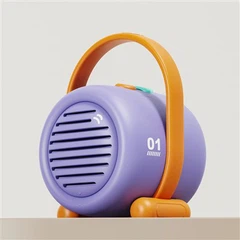
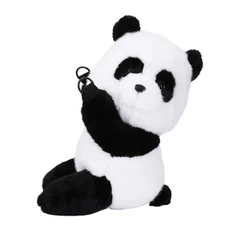
Visceral-level design focuses on a product's sensory appeal, including appearance, color, texture, and sound-elements that directly impact children's first impressions. Research shows that 80% of human information comes from visual input, making visual design particularly crucial for toys. Bright yet non-glaring colors, rounded cute shapes, and interesting textures can immediately capture children's attention.
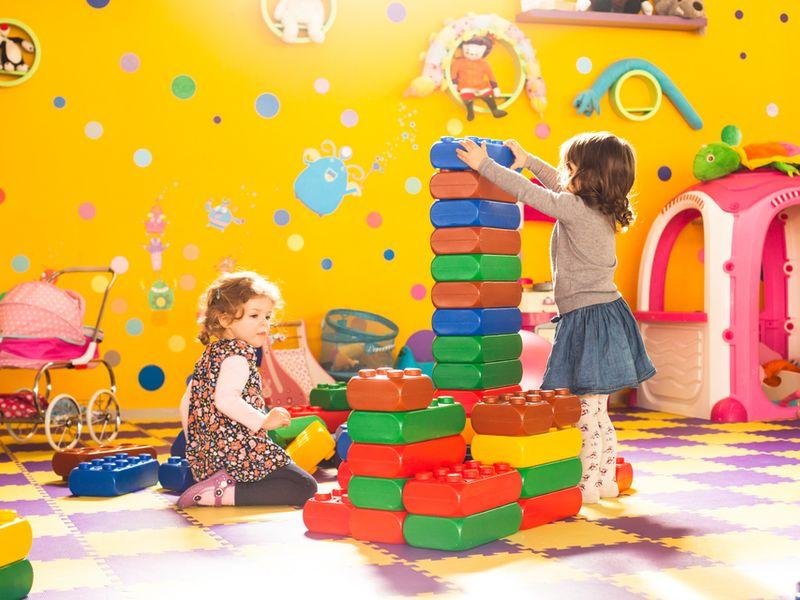
Behavioral-level design concerns a toy's functionality and usability. Norman emphasizes that products should be "effective to use, easy to understand and operate." For children's toys, operation methods should align with their cognitive and motor development levels, providing appropriate challenges without causing frustration. For example, toys designed for toddlers should have larger components and simple mechanisms, while older children can handle more complex assembly and rules.
Reflective-level design involves the emotional resonance and meaning-making that toys evoke. This level of design can trigger children's memories, help build self-image, and shape values. For instance, a doll that accompanies a child's growth may become an emotional anchor, or a science kit might shape children's perceptions of their own capabilities. Studies show that children desire encouraging affirmation after effort, which is crucial for building self-confidence. Therefore, incorporating positive feedback mechanisms in toy design is essential.

Principles of Gamified Experience Design
Gamified experience is a design approach that integrates game elements and mechanics into non-game contexts, significantly enhancing children's engagement and learning outcomes. When applying gamification to toy design, the following key principles should be considered:
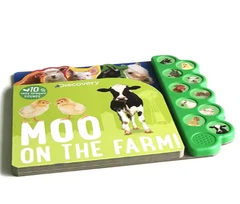
Interactivity principle emphasizes that toys should respond to children's actions, creating two-way communication. For example, smart toys can use sounds, lights, or movements to respond to children's operations, creating a conversational experience. Interactivity not only sustains children's interest but also teaches cause-and-effect relationships.
Challenge principle means toys should provide tasks of appropriate difficulty, allowing children to gain a sense of achievement by overcoming challenges. Design should consider children's "zone of proximal development"-challenges slightly above their current ability level-to promote growth without causing frustration. For example, puzzles can be designed as multi-level systems with progressive difficult
Safety and Human-Centered Design Principles
Regardless of the target group, safety is the foremost principle in toy design. Surveys show that 96% of parents consider safety the top priority for toys. Safety includes both physical and psychological aspects:
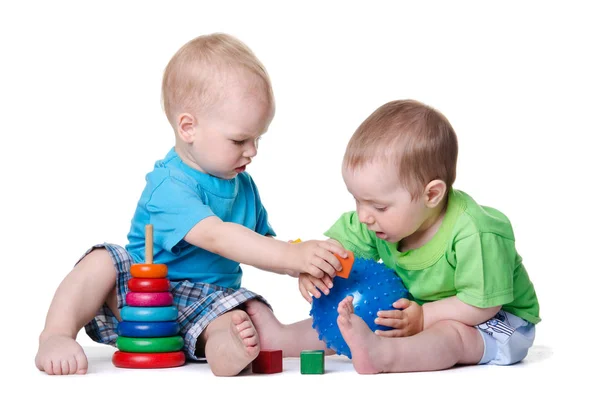
Physical safety involves non-toxic materials, sturdy construction, no sharp edges, and appropriate sizing (to prevent choking hazards). Research indicates about 72% of parents believe metal is unsuitable for toy materials, preferring natural safe materials like wood or food-grade silicone.
Psychological safety means toy content should exclude恐怖, violent, or other elements potentially harmful to children's mental health. Design should respect children's emotional vulnerability, providing positive and healthy play experiences.
Human-centered design emphasizes viewing from children's perspective rather than adult assumptions. Studies find many market toys reflect what manufacturers think "children should have" rather than being truly child-centered. Effective methods include observing children's natural play behaviors, conducting usability tests, and iterative design.
These psychological theories and methods provide a scientific foundation for toy design, but the real challenge lies in translating them into concrete products. The next section will analyze successful psychology-driven toy designs through case studie