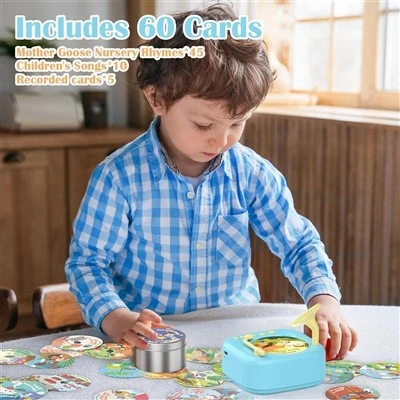

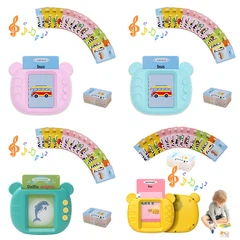







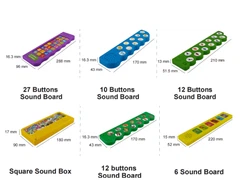




In the evolving landscape of children's educational electronics, record players for kids (children's record players) have transitioned from simple audio toys into highly integrated embedded systems combining audio decoding, interactive storytelling logic, power management, and ergonomic industrial design.
Unlike conventional toy audio devices, modern record players are designed as multi-layer embedded audio platforms, requiring coordinated development across hardware architecture, acoustic engineering, firmware logic, and mechanical structure optimization.
System Architecture of a Modern Children's Record Player

A high-performance children's record player typically follows a modular embedded system structure:
Core System Layers:
- MCU Control Unit (Main Controller)
- Audio Decoding Module (MP3/WAV/ADPCM)
- Storage Layer (Flash / TF / ROM content mapping)
- Power Management System (PMIC + Battery Management)
- Human-Machine Interface (Buttons / Disc / Sensors)
- Acoustic Output System (Speaker + Amplifier)
This architecture ensures stable audio playback while maintaining low power consumption and fast response interaction for children.
Audio Decoding and Sound Engineering Design
2.1 Audio Decoding Efficiency
Most systems use embedded decoding formats such as:
- MP3 (low CPU load, stable playback)
- WAV (high fidelity storytelling audio)
- ADPCM (low memory footprint applications)
Decoding is optimized for low-latency response, ensuring immediate playback after user interaction (disc insertion or button trigger).
2.2 Power Amplifier Design
A Class-D audio amplifier is typically used due to:
- High efficiency (>85%)
- Low heat generation
- Stable output under battery conditions
- Compact PCB footprint
This is critical for maintaining consistent sound performance in portable children's devices.


2.3 Acoustic Chamber Optimization
Unlike standard toy speakers, record players require tuned acoustic cavities:
- Bass-reflection chamber design
- Mid-frequency clarity tuning for voice storytelling
- Anti-resonance structural reinforcement
- Speaker isolation mounting
This ensures clear speech intelligibility, which is more important than bass-heavy performance in educational products.
Interactive Mechanism: Disc-Based Trigger System
Working Principle:
- User inserts or rotates a disc
- Mechanical positioning system detects index slot
- Optical or magnetic sensor triggers signal
- MCU maps signal to stored audio index
- Audio decoding module starts playback
Sensor Technologies Used:
- Hall effect sensors (magnetic position detection)
- Infrared optical encoders (rotation detection)
- Mechanical contact switches (low-cost mapping systems)
This hybrid approach balances cost control + reliability + production scalability.

Embedded Firmware Logic and Content Mapping System

The firmware of a children's record player is responsible for managing:
- Audio index mapping
- User input recognition
- Playback priority control
- Power state transitions
- Memory management
Core Logic Structure:
- Event-driven architecture (disc insert → interrupt → playback)
- Preloaded content tables (flash memory mapping)
- Anti-jitter filtering (mechanical stability compensation)
- Auto-sleep mode after inactivity
This ensures smooth operation even under frequent child interaction.
Power System Engineering and Battery Management

Children's record players require strict power safety design.
Typical Power System Design:
- 3.7V lithium battery system
- Integrated charging IC (TP4056 or equivalent)
- Overcharge / over-discharge protection
- Low-voltage audio stability compensation
Power Optimization Strategies:
- Dynamic voltage scaling for audio amplifier
- Sleep mode current <50µA
- Speaker shutdown during idle state
- Firmware-based power gating
These ensure long standby time and safe usage in educational environments.
Mechanical Engineering and Industrial Design Integration
The industrial structure of record players is not purely aesthetic-it directly impacts acoustic and functional performance.
Key Structural Design Elements:
- Rotating disc alignment precision (<0.5mm tolerance)
- Anti-drop ABS housing structure
- Hidden speaker cavity design
- Shock-absorbing internal mounting
- Child-safe rounded geometry
The mechanical system must ensure durability under repetitive child interaction cycles, often exceeding 10,000+ mechanical operations.

OEM/ODM Engineering Capability as a Core Manufacturing Advantage
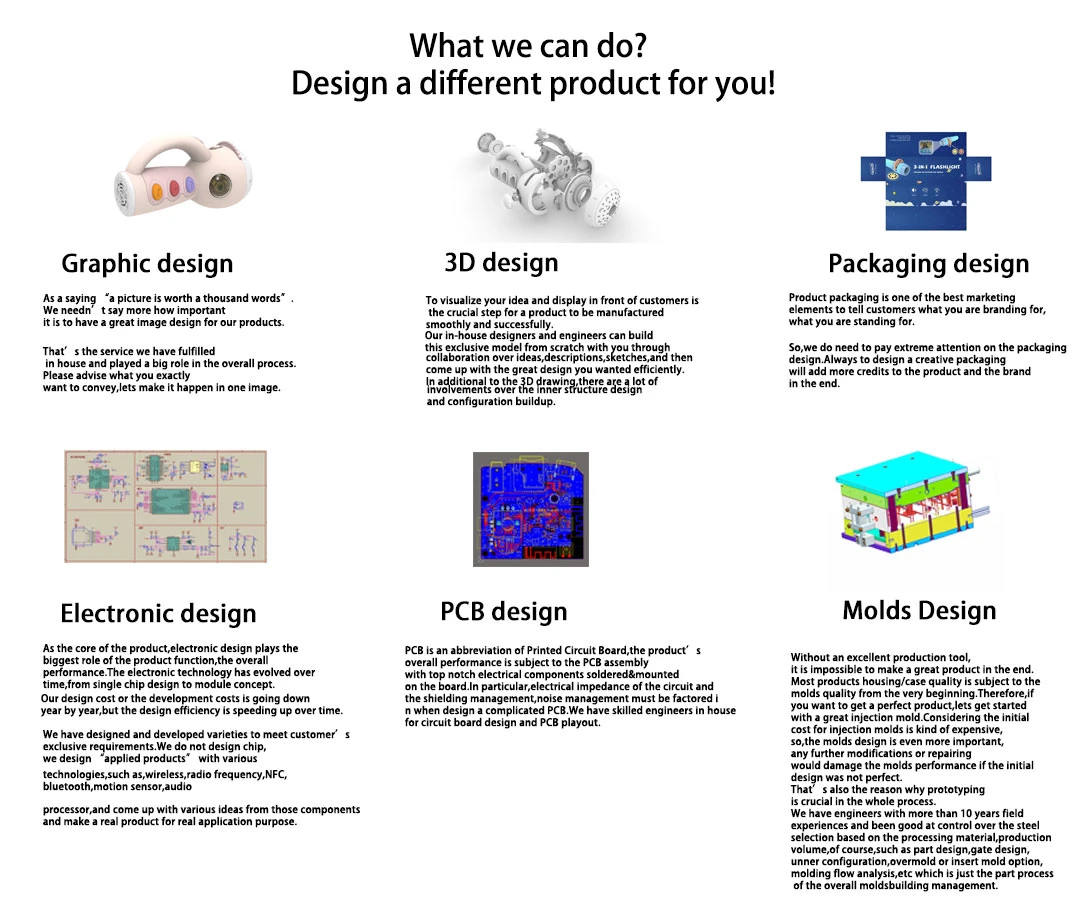
From a manufacturing perspective, record players are a multi-disciplinary integration product, requiring strong OEM/ODM engineering capability.
Core Factory Advantages Include:
7.1 Full-System Integration Capability
- PCB design + firmware development
- Audio tuning + acoustic simulation
- Mechanical mold development
- Assembly line calibration
7.2 Custom Audio Content Architecture
Factories can support:
- Multi-language audio libraries
- Story-based content segmentation
- Educational curriculum mapping
- Brand-specific sound design
7.3 Rapid Prototyping & Iteration
Advanced factories can complete:
- Industrial design prototype: 7–10 days
- Functional prototype: 10–15 days
- Mass production tooling: 25–35 days
This significantly shortens time-to-market for global brands.
7.4 Quality Engineering System
Professional production includes:
- Audio waveform consistency testing
- PCB functional stress testing
- Drop and vibration testing
- Long-duration playback aging tests
- Battery cycle reliability validation
Hot Tags: advanced children’s record player: system architecture, audio engineering, and embedded design in modern educational toys, China, suppliers, manufacturers, factory, customized, wholesale, bulk, quotation, made in China