

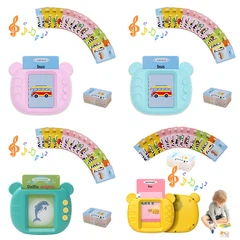
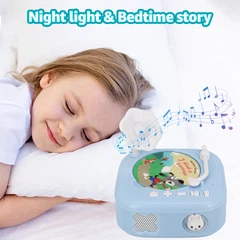


Star Moon Projection Story Torch – A Product That Follows the Calendar
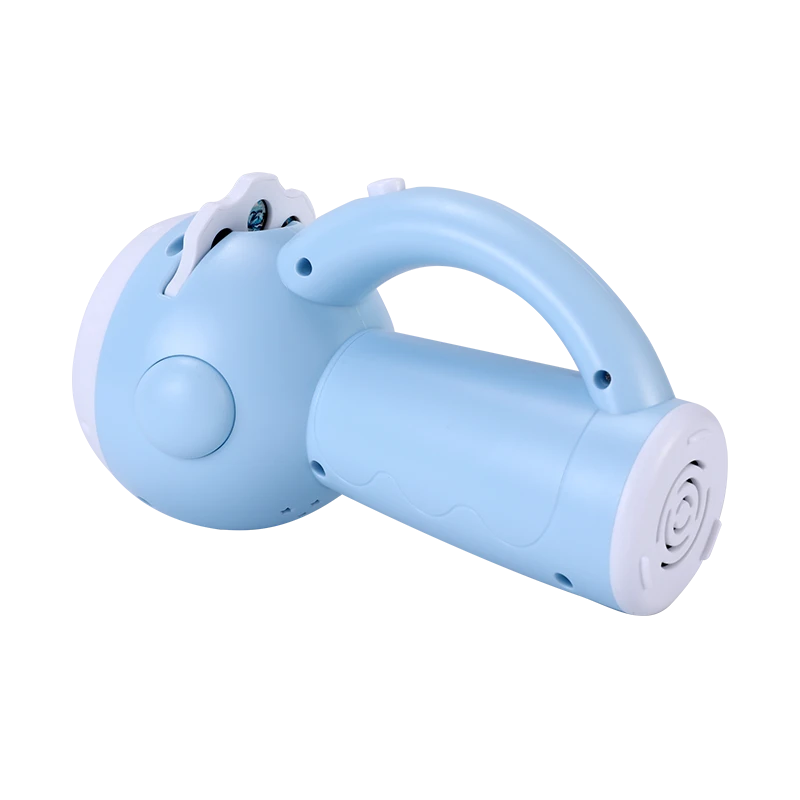
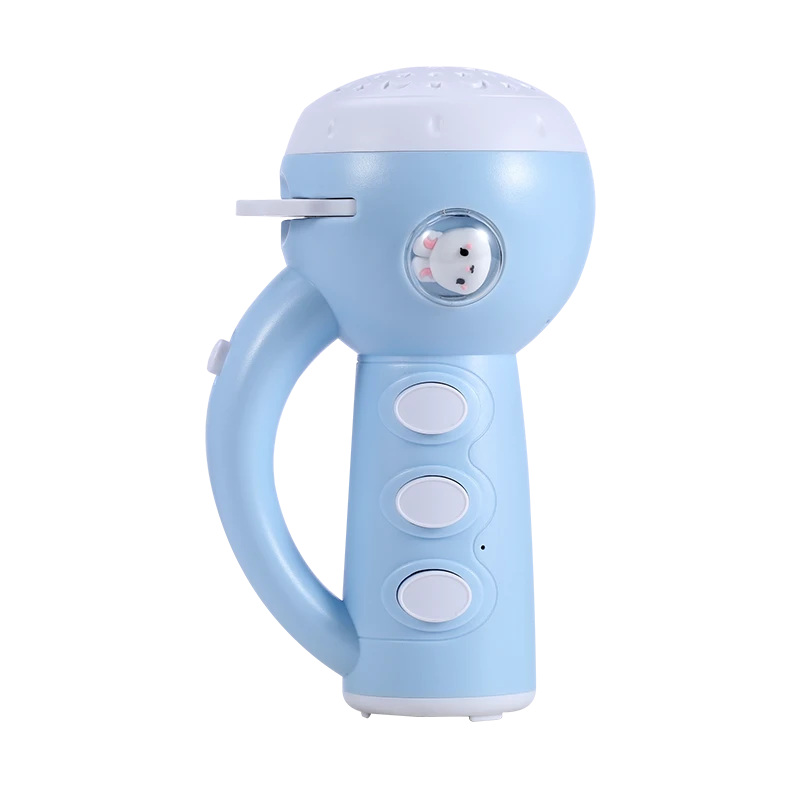
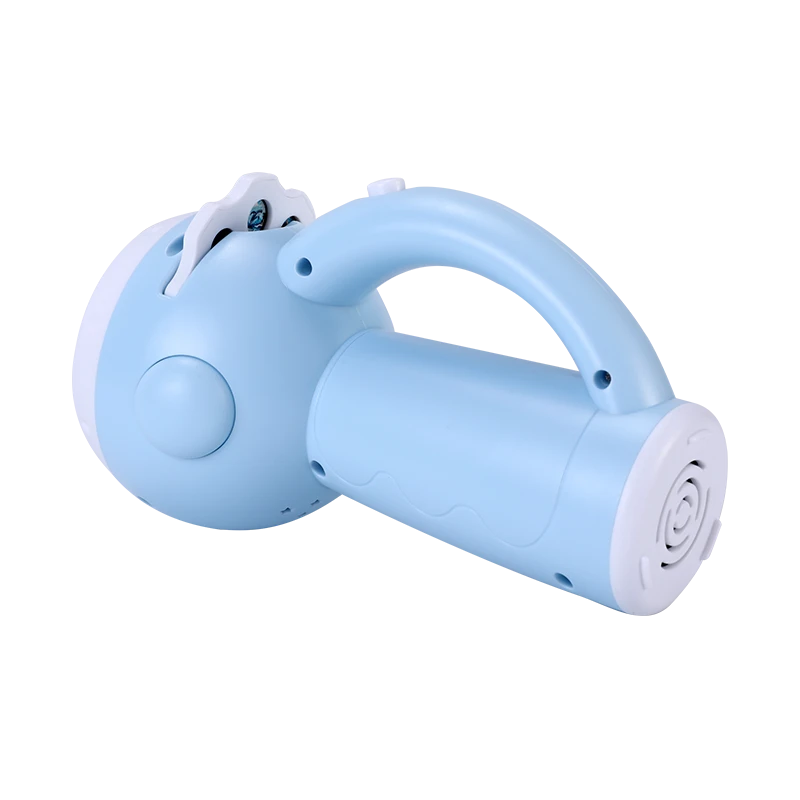
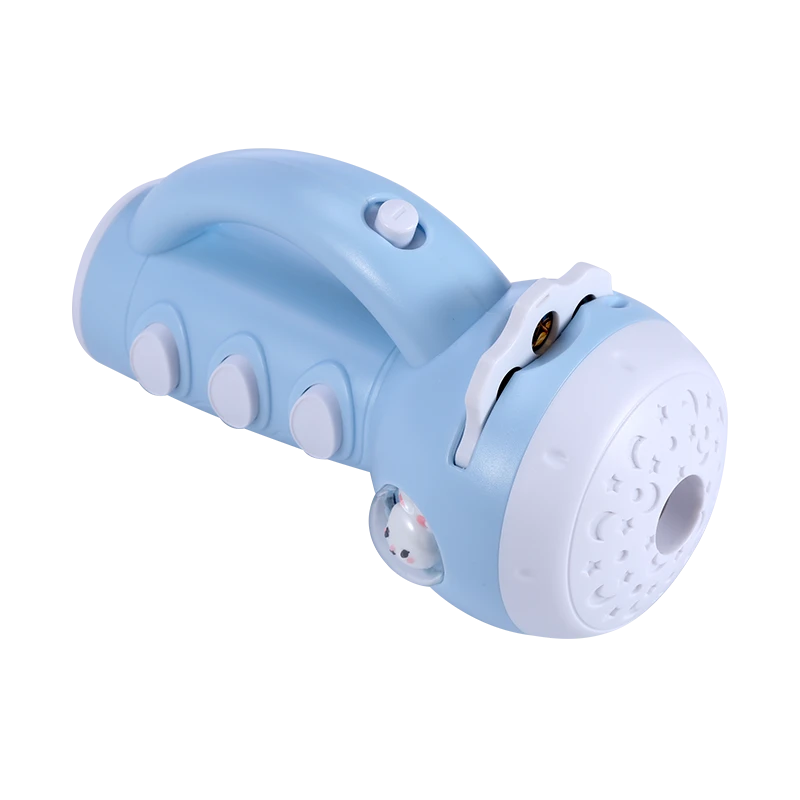
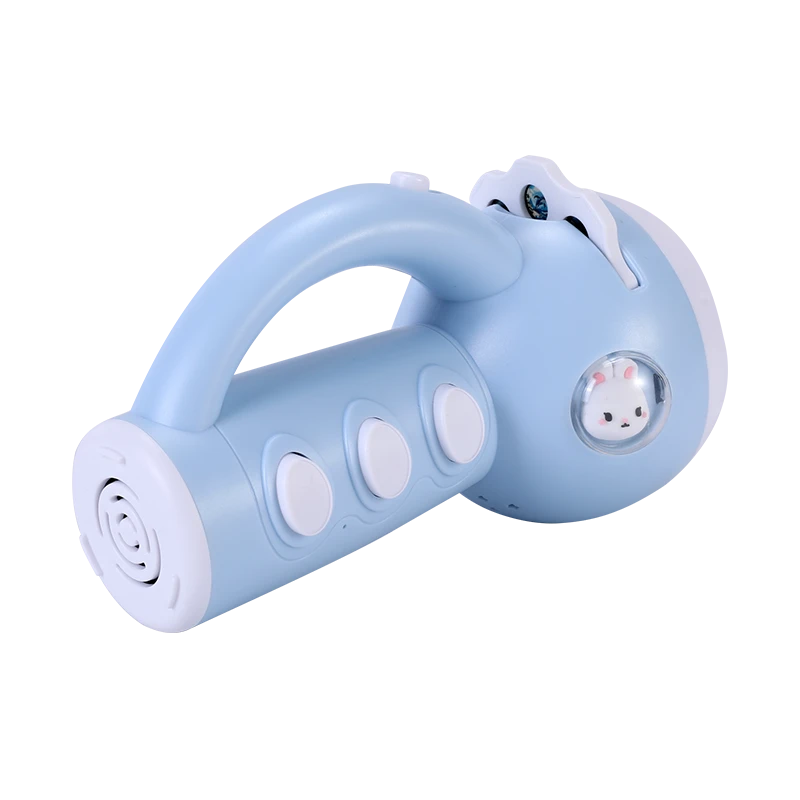
Details: Products built around bedtime have one useful property that most toy ranges lack: their demand moves with the calendar rather than with fashion. A torch a child aims at the ceiling to start a story sells hardest when the evenings are long and dark, when families travel, and when a gift has to be found for a child whose room already holds every toy. This one projects through five film shells holding forty contents between them, runs from an 18650 1200 mAh cell, carries a 36 mm speaker and 64 MB of flash memory, and ships with a bunny doll that does not light up and a 30 cm charging cable in a colour box with a blister. Order quantity is set per edition, and the planning is done against the retail calendar rather than a launch date.
A Product That Lives on the Calendar
A projection torch is unusually seasonal, and the seasons do not fall where a buyer new to the category expects them to. The obvious window is the winter holiday, but the product also works in the long evenings of autumn, in the weeks when families travel, and in the summer months when daylight keeps a bedroom bright long past a small child's bedtime. Each of those moments asks for a slightly different edition, and planning for them a quarter ahead is what turns one moulding into several sales.
The first seasonal fact is physical. In autumn the evenings arrive earlier than the routine does, and a projection becomes the reason a child goes to bed at all rather than a reward for doing it. In midsummer the problem reverses: the room is still light at bedtime, and a darkened ceiling is what lets a family build the same ritual at eight o'clock that they build at six in December. One product answers both, which is why the format keeps selling outside the gift months.
Content is the second lever, and it is the one buyers most often leave unused. Five film shells carry forty contents, so a library can be divided into sets and released to the calendar: a set for the dark evenings, a set for travel, a set for the holiday period. Because the shells are printed and the audio loaded to order, a seasonal release is a print and a recording rather than a new product, and an existing owner is a customer again.
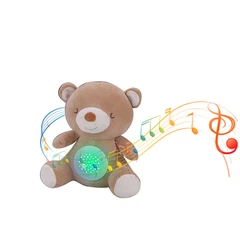
The physical contents support the same idea. The bunny doll that ships with the torch is a comfort object rather than a lit figure, so it travels to a grandparent's house and into a hotel room without needing anything else, and the 30 cm charging cable is short enough to pack and long enough to reach a bedside socket. A product intended to be carried between places has to be complete in the box, and this one is.
Battery and storage choices follow from that portability. An 18650 cell of 1200 mAh suits a device used in short sessions over many evenings, and 64 MB of flash memory holds a story library comfortably without turning the torch into a media player. Neither figure is generous on purpose; both are sized for a product that is charged occasionally and used often.
Finally, the packaging is part of the seasonal plan. A colour box with a blister presents the torch and its shells as a gift without hiding what the product does, and the same construction carries a promotional edition or a retail exclusive with nothing changed but the print. Buyers who decide the box alongside the content discover that a seasonal edition can be produced without a seasonal redesign.
There is a version of this product that ignores the calendar entirely, and it is worth seeing why it underperforms. A torch sold with one permanent set of stories asks a family to buy it once and then find nothing else to do with it. The same unit sold with a plan attached asks that family for a small purchase next season, and the shelf space a retailer gave it in the autumn keeps earning in January and in July.
That plan also makes the numbers easier to defend. A buyer can point to a longer evening, a school term or a travel week as the reason for a quantity, rather than to an expectation that children will want it. Seasonal demand is not a guarantee, but it is a far more solid basis for an order than a guess, and it is the reason a format like this survives years in a range while novelties do not.
Packaging protects the season as well. Because the box is a colour box with a blister rather than a plain carton, one product can move between a gift aisle and a toy shelf without being repacked, and a retailer can take an exclusive sleeve for one window and return to the standard box for the next. Nothing about the torch changes between those placements, which keeps the unit cost steady while the presentation moves.
Star Moon Projection Story Torch – Model LMP-002 Data Sheet
| Star Moon Projection Story Torch – Specification Summary (LMP-002) | |
| Item | Star Moon Projection Story Torch / LMP-002 |
| Memory | 64 MB flash memory |
| Battery | 18650, 1200 mAh |
| Speaker | 36 mm |
| Film Shells | Five shells carrying forty contents between them |
| In the Box | A bunny doll that does not light up, and a 30 cm charging cable |
| Packaging | Colour box with a blister |
| Product Size | 170 × 90 × 95 mm; box 215 × 107 × 102 mm; 40 pcs per carton |
| Unit Weight | 400 g |
| Carton Size | 53.5 × 45 × 45 cm |
| Carton Weight | 17 kg |
| Compliance | CE, CPC, UKCA, FCC and RoHS; ASTM F963 or EN71 testing on request |
Because the product is bought against a season, the conversation usually starts with a date rather than a specification. Tell us the window you are buying for, how many shells and stories you want in the edition and the market it is aimed at, and the answer comes back with the layout, the content plan, tiered quantity bands and the packaging options – usually inside a working day. The full range is here: https://www.kidsoundbook.com/products
Six Moments in the Year the Torch Earns Its Place
Details: These are the six points in a year when a projection torch does real work in a household, and each one asks something slightly different of the edition you are planning.
The Early Dark of Autumn
Evenings close in before the summer routine has worn off, and a child who was playing outside at seven is suddenly indoors and restless. A projection gives the evening a shape again, and a story that ends with the torch being switched off does more for a bedtime than any amount of negotiation.
The Gift Window
The classic season, and the one the colour box with a blister is built for. What matters here is that the product explains itself on the shelf: the shells are visible, the toy is visible, and a buyer does not have to read a description to understand what a child will do with it.
The Long Winter Bedtime
Once the holiday season is over, the product keeps working through the darkest weeks of the year, when bedtimes are early and children spend more of the evening indoors. This is the stretch that rewards a deeper content library rather than a bigger box, because the same households are using the torch every night.
Travel and Half-Term Weeks
A product that fits in a bag and needs one short cable is unusually well suited to the weeks when families move between houses, hotels and relatives. The bunny doll travels with it, so an unfamiliar bedroom can be given the same routine as the one at home within a few minutes of arrival.
The Bright Summer Bedtime
The counter-intuitive season, and the one most buyers miss. When daylight lasts until late, the room is still light at bedtime and the usual cues are gone; a projection darkens the ritual deliberately rather than waiting for the sun to cooperate. This is where a summer edition sells against expectations.
The New-Term Reset
A term beginning pulls bedtimes back into line after a holiday, and it is the natural moment for a household to buy something that makes the change easier. A content refresh released to the same date gives an existing owner a reason to add to a torch they already own.
Your Own Season
The six above are the common ones, but the calendar is not the same in every market: a rainy season, a national holiday or a school term that starts in a different month all create their own windows. Tell us the date you are buying for and the edition is planned backwards from it – content first, printing next, packaging before the shipping cut-off.
Six Buyers Who Plan a Season Ahead
Because the demand is tied to a date, this product suits buyers who already work to a calendar and dislike launching blind. These are the six groups that order it most often.
What ties these buyers together is that each of them already knows which weeks matter. None is looking for a novelty to fill a gap; each wants a product that can be pulled forward into a season and then set aside again without becoming dead stock. That is the case this torch is built to make.
The Trade Calendar Behind the Season
| Buying Calendar – Star Moon Projection Story Torch | ||
| Window | What Ships | What to Prepare |
| Late summer | Dark-evening editions for the autumn nights | The first content set and the shell printing |
| Autumn | Gift editions for the holiday period | Box and sleeve artwork frozen with the shell list |
| January | Replenishment plus a deeper library | A second content set ready to load |
| Spring | Travel editions for the holiday weeks | A compact pack and a short cable already specified |
| Early summer | Bright-evening editions for long daylight | A travel-and-holiday theme in the shells |
| Between seasons | A content refresh for owners of an earlier torch | A revised script rather than new artwork |
Two habits make a calendar-led range easier to run. Work backwards from the shelf date rather than forwards from the brief, because the shipping cut-off is the fixed point and everything else can be moved around it. And keep the torch itself identical between seasons, so that a shell set released in the autumn still fits a unit sold the previous summer. A third habit is worth adding: keep one shell set deliberately evergreen, so that a shipment which misses its window can still be sold rather than stored until the following year.
Why a Calendar Product Carries Less Risk
Selling into a season changes the economics of a range, and four effects are worth weighing before a first order is placed.
| Two Ways to Sell a Bedtime Product All Year | ||
| A torch with a seasonal content plan (LMP-002) | A fixed-content nightlight | |
| What changes with the season | The shell set and the recording | Nothing; the same unit all year |
| What the buyer owns after year one | A platform with several editions on it | A product that has already peaked |
| Selling outside the gift window | Autumn, travel and summer editions | Depends on gift demand alone |
| Reason for a return purchase | A new story set for the same torch | No obvious one |
| Stories per release | Up to forty contents across five shells | Whatever was built in at the factory |
| Packaging options | A colour box with blister, or a seasonal sleeve | Usually one fixed carton |
One caution sits behind any seasonal plan. A release timed to a date has no slack in it, and a content set that arrives late takes the whole window with it. Buyers who treat the first content set as the long-lead item and the packaging as the short one usually find that the printed shells, not the electronics, are what decides whether the edition lands on the shelf in time.
Planning Backwards From a Shelf Date
A season-led project is planned from its end rather than its start. The sequence below is the one this torch follows, and the order of the first two steps is the part buyers most often get wrong.
| Project Flow – Star Moon Projection Story Torch | ||
| Stage | What Happens | Your Input |
| 1. Shelf date | The date the edition must be on sale is fixed first | The season, the market and the shipping cut-off |
| 2. Content set | The shells and their stories are written to that season | Themes, the number of shells and the story list |
| 3. Shell artwork | Each film shell is drawn for the projection it carries | Illustration direction and the running order |
| 4. Recording | Stories are recorded and loaded against the shells | Language, narrator and the length of each story |
| 5. Sample | A working torch with a loaded shell set is reviewed | Sign-off on projection clarity and on the audio |
| 6. Packaging | The colour box, the blister and any sleeve are finalised | Whether the edition is a gift pack or a plain carton |
| 7. Testing | The unit is assessed for each destination market | Which markets and which labelling applies |
| 8. Production and despatch | The run is loaded, charged, checked and packed forty to a carton | Quantity, delivery window and shipping instructions |
The stage that decides a season is the second. A content set written to a theme takes longer to agree than a specification, and it is the one item that cannot be compressed at the end of a project by working faster. Buyers who commission the shells and the stories first, and the packaging last, are the ones whose edition arrives before the date rather than just after it. A simple rule helps here: treat the content set as the project and the hardware as the constant, and resist revisiting the shell list once recording has begun. Once the shells are locked, the rest of the project is scheduling, and scheduling is the one part a factory can genuinely compress. Everything else – the writing, the approval, the recording – is time that only the buyer can give to it.
Planning a Projection Torch Edition – The Questions Buyers Ask
Q1: What does the torch project, and how many images are included?
It projects through film shells. Five shells ship as standard and carry forty contents between them, and the set can be divided into themes so that a buyer releases a group at a time. The illustration on each shell is drawn to match the story it carries, which is why the artwork and the recording are prepared together rather than one after the other.
Q2: How does a child start a story?
From the torch itself. There is no app, no account and no pairing step, so a child can use it in a bedroom that has no network and an adult does not have to set anything up first. That simplicity is deliberate: a bedtime product that needs a phone to work will be abandoned the first evening the phone is charging somewhere else.
Q3: What is the bunny doll for?
It is a comfort object rather than a lit figure, and it ships with the torch so the product is complete in the box. A child who takes the bunny to a grandparent's house or on a journey has something familiar to hold while the torch does the work, which is why the doll is included rather than sold separately as an accessory.
Q4: How is the torch powered?
An 18650 cell of 1200 mAh, with a 30 cm charging cable supplied in the box. The capacity suits a device that is used in short sessions across many evenings and topped up occasionally, rather than one that runs continuously. A short cable is supplied on purpose, because the torch is meant to be carried and a long one would be left behind.
Q5: Can we choose the themes and the stories?
Themes, shells, illustrations and audio are all produced to order. A buyer can bring an existing story list, commission a set written to a season, or build the audio around a property already owned. Sixty-four megabytes of flash memory holds a full library comfortably, so the length of the set is an editorial decision rather than a technical ceiling.
Q6: Can we make a seasonal or retailer-exclusive edition?
Yes, and that is the natural use of this product. A colour box with a blister can carry changed artwork, and an outer sleeve gives a retailer an exclusive without altering the torch or its shells. A seasonal edition is therefore a print and a recording job, not a redesign, which keeps it affordable at the volumes a window can justify.
Q7: How do orders and samples work for a seasonal edition?
Quantities are set per edition and confirmed in the quotation, and shorter trial runs can be arranged where a market is being tested. A working torch with a loaded shell set is supplied before the run so that the projection and the audio can be judged in a darkened room. What the samples cost is credited back when the production order is placed.
Q8: Which certifications come with the torch?
CE, CPC, UKCA, FCC and RoHS documentation is held for this product, and ASTM F963 or EN71 testing is arranged for any destination that asks for it. Because a projection torch contains a light source, a cell and audio electronics, the file is prepared per market and revised whenever a standard changes, so it always matches the batch being shipped.
The Plant Behind the Torch
for children
Projection torches are built at Xinditai Electronics, a Shenzhen manufacturer of children's audio products that has worked in this field since 2010. Its programmes are OEM and ODM work on children's audio and interactive products, covering projection toys, story players, sound books, talking cards, writing tablets, sleep aids and musical items, for brands, publishers and distributors worldwide.
The shells, the audio and the electronics come together on one 3,000-square-metre site where over 100 engineers and operators work, which is what allows a seasonal edition to be printed, loaded and packed without being split between suppliers. The house rule is short – Create with heart, ship with pride – and checking sits inside each stage rather than at the end, so a batch can be followed from its components to the carton it left in.

Compliance & Certificates
Certificates
A projection torch combines a light source, a rechargeable cell and audio electronics, so its file covers more than one area at once. It is assembled for the markets an edition is sold into and revised whenever a relevant standard moves, so the pack sent with a quotation belongs to the run it was raised for.

CE

RoHS

FCC

SEMTA

EMC

ISO
Hot Tags: star moon projection story torch – a product that follows the calendar, China, suppliers, manufacturers, factory, customized, wholesale, bulk, quotation, made in China