







AI Toys in Daily Life: Practical Scenarios, Real Benefits, and Smart Choices for Families

AI Toys Aren't Just for Play Anymore
Artificial intelligence has quietly moved from science fiction into the living room. Today's #AIToys are no longer novelty gadgets reserved for tech enthusiasts. They're becoming everyday companions that help children navigate morning routines, practice conversations, wind down at bedtime, and even build emotional resilience.
But how do families actually use these smart companions? What does a Tuesday afternoon with an AI toy look like? And what should parents consider before bringing one home?
This article explores real-world use cases for AI toys across different ages, settings, and needs – from toddlers learning their first words to older children practicing social skills. No hype. No jargon. Just practical insights for parents, educators, and anyone curious about the role of #SmartToys in modern childhood.

Morning Routines – Waking Up with a Smile
Scenario: The Reluctant Riser
Four-year-old Mia hates waking up. Every morning is a negotiation. Her parents have tried gentle nudges, cheerful songs, and even bribery – but nothing sticks.
How an AI Toy Helps:
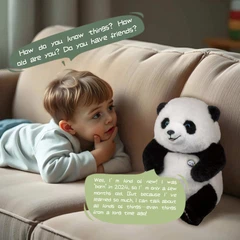
An AI-powered alarm clock or a talking plush companion can transform mornings from a battle into a game. Mia's AI bear doesn't just beep – it says, "Good morning, sunshine! Did you dream about dinosaurs again? Let's stretch together!"
Why It Works:
Children respond to positive, predictable routines delivered by a friendly voice. Unlike a parent who might be rushed or frustrated, the AI toy is endlessly patient and cheerful. It can also adapt: if Mia loves unicorns, the bear can add a unicorn fact to every morning greeting.
Key Features to Look For:
Voice-activated wake-up messages
Gentle volume escalation (no jarring alarms)
Integration with morning checklists ("Did you brush your teeth?")
#ScreenFreePlay – no tablet required
Part 2: Car Rides and Travel – Turning "Are We There Yet?" into Learning Moments
Scenario: The Long Drive
Seven-year-old Liam is bored 10 minutes into any car ride. His parents don't want to hand him a tablet, but the whining is wearing them down.
How an AI Toy Helps:
A portable #VoiceAI companion like a talking storybox or smart plush can engage Liam in conversation, tell jokes, play guessing games, or answer his endless "why" questions about passing trucks, clouds, and cows.
Why It Works:
AI toys designed for travel are screen-free, battery-powered, and Wi-Fi independent. They turn idle time into interactive learning – practicing spelling, learning animal facts, or creating collaborative stories. Parents can join the conversation too, making the toy a springboard for family interaction rather than a replacement.
Key Features to Look For:
Long battery life (5+ hours)
Offline mode – no internet required
Durable, drop-resistant design
Volume limiter for headphone use


Bedtime & Wind-Down – From Chaos to Calm
Scenario: The Bedtime Battle
Five-year-old Sofia stalls every night. One more story. One more sip of water. One more hug. Her parents are exhausted.
How an AI Toy Helps:
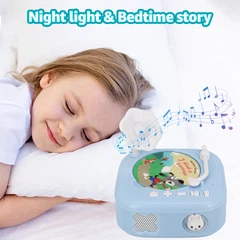
An AI sleep trainer or talking nightlight can lead Sofia through a consistent, calming bedtime routine: a breathing exercise, a short meditation, a lullaby, and a promise to "watch over" her sleep.
Why It Works:
Children thrive on routine, but parents often lack the energy to enforce it perfectly. An AI companion never forgets the steps, never gets impatient, and can personalize the routine based on Sofia's mood (more stories on anxious nights, more music on energetic ones).
Key Features to Look For:
White noise, lullabies, and guided breathing exercises
#EmotionalAI that detects resistance and adjusts
Warm night light with auto-shutoff
No screens – voice-only interaction
Part 4: Emotional Meltdowns – A Calm Friend in the Storm
Scenario: The After-School Explosion
Six-year-old Ethan comes home from school, drops his backpack, and bursts into tears. He can't explain why. He just knows he's overwhelmed.
How an AI Toy Helps:
An #AICompanion trained in #SocialEmotionalLearning can ask gentle questions: "Was today loud?" or "Did something frustrating happen?" It can suggest a "calm-down corner" activity: three deep breaths, a quick drawing, or a silly joke.
Why It Works:
Children often lack the vocabulary to name complex emotions. An AI toy offers a non-judgmental, low-pressure space to practice. It never says "You're overreacting" or "Just calm down." Instead, it models empathy: "I feel sad when my friends don't share too. Want to take a break together?"
Key Features to Look For:
#EmotionalAI – tone and mood detection
Pre-loaded calming strategies (breathing, grounding exercises)
Privacy-first design (no camera, local processing)
Option for parents to review conversation logs

Part 5: Language Practice – A Patient Conversation Partner
Scenario: The Shy Speaker
Four-year-old Aisha is learning English as a second language. She understands much more than she speaks, but she's embarrassed to practice in front of others.
How an AI Toy Helps:
A bilingual AI toy can converse with Aisha in simple English, gently correcting pronunciation without embarrassment. It can repeat phrases as many times as she needs, celebrate small successes, and gradually introduce new vocabulary.
Why It Works:
Language acquisition requires low-stakes, high-repetition practice. Human conversation partners – even loving parents – can unintentionally create pressure. An AI toy never laughs, never interrupts, and never shows frustration. It's the world's most patient language tutor.
Key Features to Look For:
Support for target language(s)
Natural pronunciation modeling
Adaptive vocabulary (starts simple, grows with child)
#ScreenFreePlay – voice-only interaction
Part 6: Social Skills Practice – Safe Rehearsal for Real Life
Scenario: The Anxious Playdate
Eight-year-old Leo wants to make friends but freezes when peers approach him. He doesn't know what to say or how to join a game.
How an AI Toy Helps:
An AI companion can role-play common social scenarios: "What could you say if someone is sitting alone?" or "Let's practice asking, 'Can I play too?'" The toy can model different responses and give Leo space to try out his own.
Why It Works:
Social anxiety often stems from fear of rejection or embarrassment. Practicing with an AI removes that risk. Leo can make mistakes, try again, and build confidence in a private, safe environment. Over time, the skills transfer to real interactions.
Key Features to Look For:
Scripted social scenarios (turn-taking, sharing, inviting)
Positive reinforcement for trying
No camera – reduces performance pressure
Parent app to track progress and reinforce lessons

Part 7: Special Needs Support – Consistency and Predictability
Scenario: The Child with Autism
Nine-year-old Sam thrives on routine but struggles with unexpected changes. A canceled activity or a substitute teacher can trigger a meltdown.
How an AI Toy Helps:
An #AICompanion can help Sam prepare for transitions: "In 10 minutes, we'll put away the blocks and have snack. Let's set a timer." It can also provide calming scripts during overwhelm: "You're safe. Let's do finger breathing together."
Why It Works:
Children with autism often respond well to predictable, consistent, non-judgmental interaction. An AI toy never varies its script unexpectedly, never raises its voice, and can repeat calming phrases exactly as the child needs. It becomes an anchor in a chaotic world.
Key Features to Look For:
Customizable scripts and routines
Visual or auditory timers for transitions
No unexpected updates that change behavior
Privacy-first design – sensitive data stays local
Part 8: Choosing the Right AI Toy for Your Family – A Decision Framework
With so many options, how do you choose? Use this framework:

| Consideration | Questions to Ask |
|---|---|
| Purpose | Do you need language practice, emotional support, morning routines, or travel entertainment? |
| Age | Is the content and complexity appropriate for your child's developmental stage? |
| Privacy | Does it have a camera? Physical mute button? Local processing options? Clear data policy? |
| Screen-Free | Is the primary interaction voice or buttons – or does it require a tablet? |
| Durability | Can it survive drops, spills, and toddler enthusiasm? |
| Parental Controls | Can you review conversations, set time limits, and manage content? |
| Cost | Are there hidden subscription fees? What's included in the purchase price? |
| Certifications | Does it meet CE, ROHS, EN71, FCC safety standards? |
AI Toys as Tools, Not Teachers
AI toys are not replacements for parents, teachers, or real-world play. But when chosen thoughtfully and used intentionally, they can be powerful tools for supporting language development, emotional regulation, social skills, and daily routines.
The key is to match the toy to the need – and to stay engaged as a parent. The best AI toy in the world is one that sparks conversation between you and your child, not one that replaces it.
Ready to Explore Thoughtfully Designed AI Toys?
XDT Electronic Co., Ltd. specializes in #AIToys, #SoundToys, and #EducationalToys that prioritize safety, privacy, and real developmental value. From morning companions to bedtime buddies, we help brands create products families trust.
Hot Tags: how an ai-powered audio player turns everyday moments into learning adventures, China, suppliers, manufacturers, factory, customized, wholesale, bulk, quotation, made in China


