

Emotional Learning Plush Toy Builds Kids Feelings Recognition Skills
The Gap Between Feeling and Naming Emotions in Childhood 🧠
Children experience complex emotions long before they can put names to what they feel. For most young kids, sensations of frustration, excitement, worry, or wonder arrive first as physical feelings - a tight chest, a fast heartbeat, a big smile - but they lack the words to describe what is happening inside them. This gap between feeling and understanding often leads to outbursts, withdrawal, or confusion, both for children and the adults caring for them.
Building strong kids feelings recognition skills is the foundation of healthy emotional development. When children can name their moods, they can start to manage them, share them with others, and navigate friendships more smoothly. For many years, families have relied on static tools to teach these skills, but few options combine soft, approachable play with active, responsive guidance. This is why a purpose-built emotional learning plush toy has emerged as an effective, child-friendly way to support this core developmental skill.

Common Emotional Learning Tools: A Comparative Look
Many families use basic tools to teach emotions, but most have clear limits. To understand where modern interactive toys fit into the landscape of emotional education, it helps to compare the most common options available to families today. Each tool has strengths, but they differ widely in engagement, adaptability, and real-world effectiveness.
| Tool Type | Visual Emotional Cues | Interactive Response | Verbal Guidance | Personalized Adaptation | Long-Term Engagement |
|---|---|---|---|---|---|
| Printed Feelings Cards | Static, drawn faces | None; child-led only | Pre-written labels only | None; one-size-fits-all | Low; often abandoned after weeks |
| Basic Stuffed Animals | No emotional expression | None; imaginary play only | None; depends entirely on child | None; fixed form | Medium; comfort value stays, learning value fades |
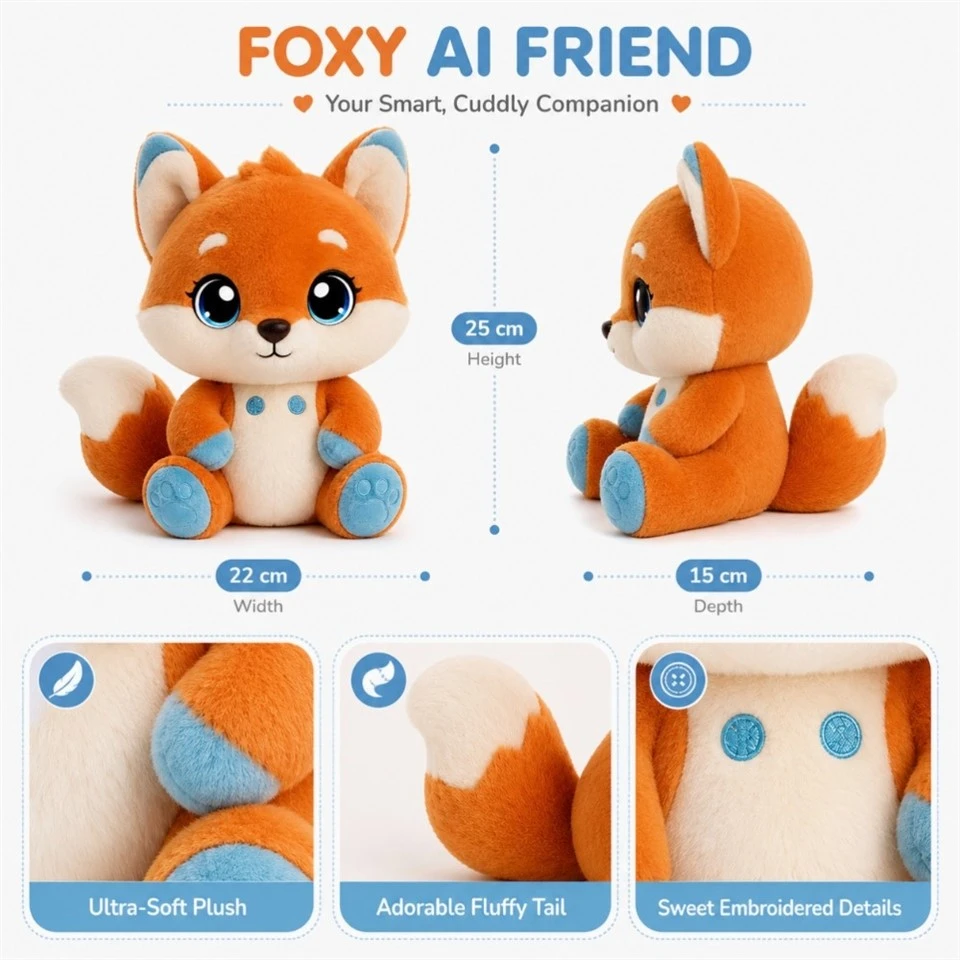
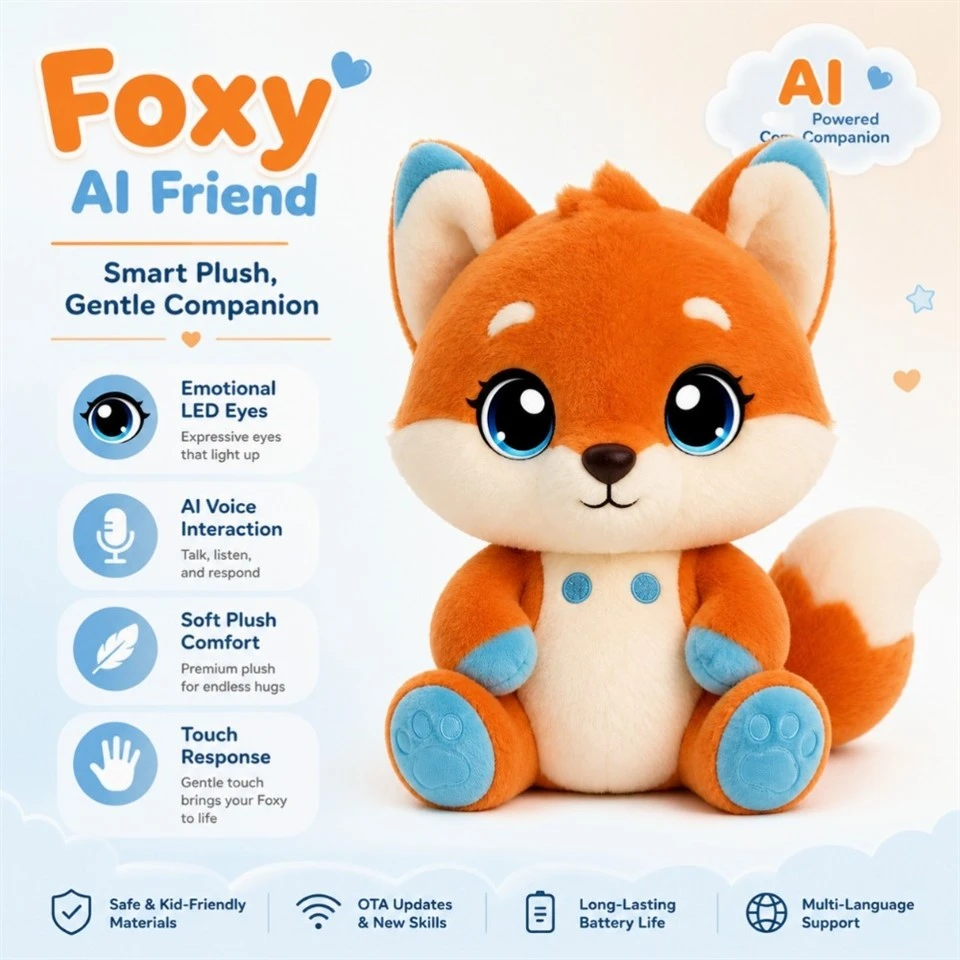
| AI Emotional Learning Plush Toy | Dynamic LED eyes with 6 moods | Real-time voice and touch response | Guided questions and reflective replies | Adapts to child's speech and habits over time | High; grows with child's developmental level |
This comparison shows why traditional tools often fall short. Flashcards and worksheets feel like schoolwork, not play, so children resist using them regularly. Basic stuffed animals provide comfort but cannot model emotions or guide conversation on their own. In contrast, an interactive emotional regulation toy wraps learning in soft, huggable play, so children practice emotional skills without feeling like they are being taught.

How Visual Emotional Eyes Make Feelings Easier to Understand
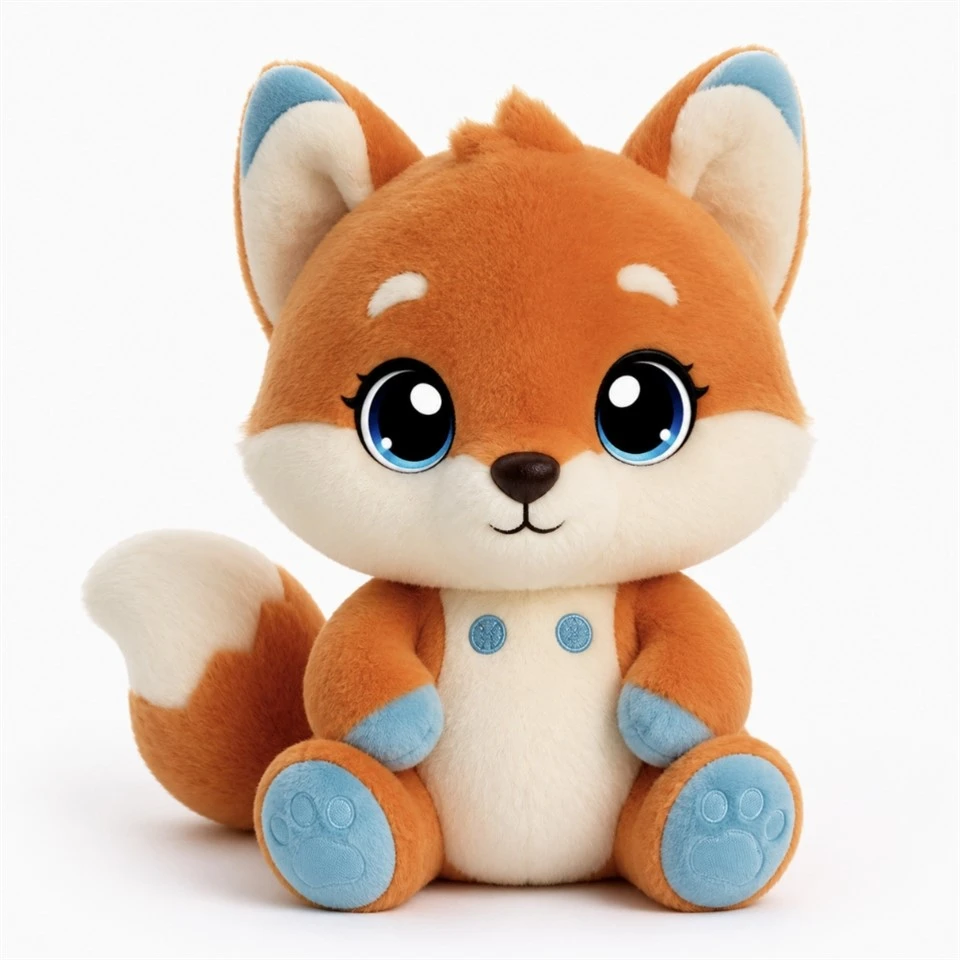
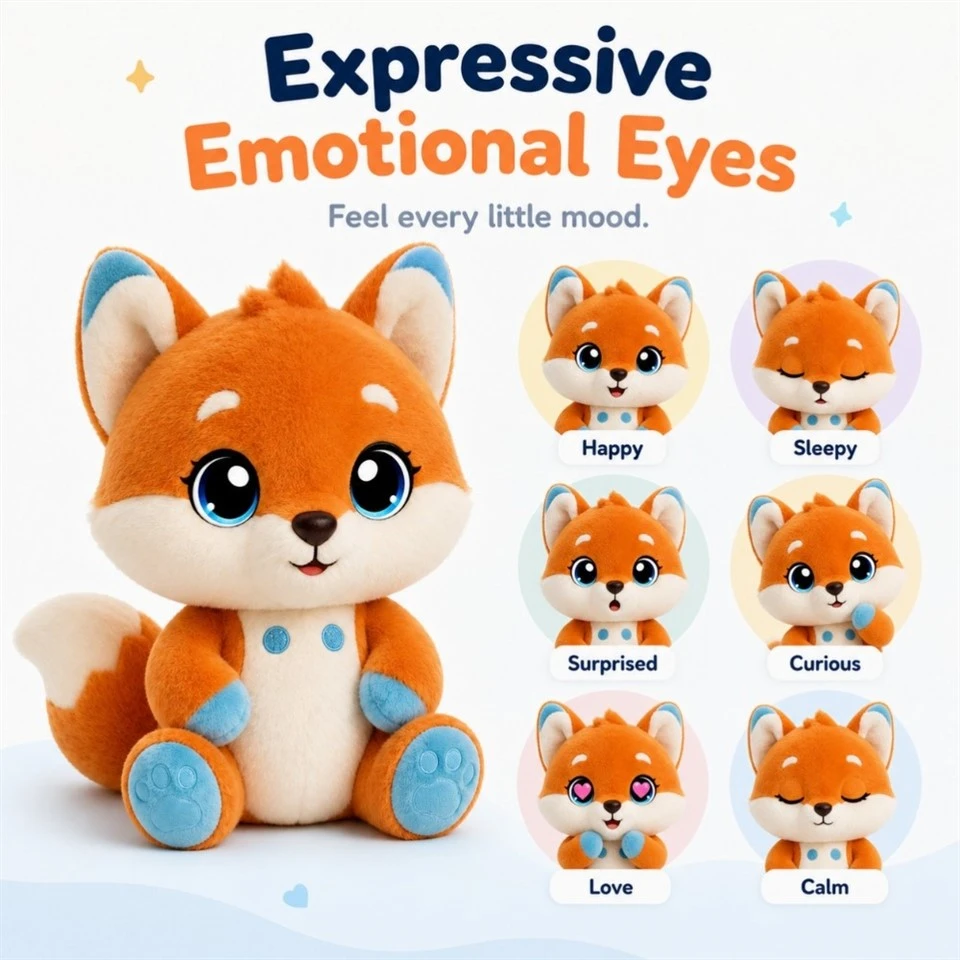
Concrete visual cues help children connect abstract feelings to recognizable expressions. One of the core design features of this toy is its set of expressive LED eyes, which display six distinct, easy-to-read moods: happy, sleepy, surprised, curious, love, and calm. Each expression is bright, clear, and matched to the tone of the conversation, turning invisible internal feelings into something a child can see and point to.
For example, when a child shares exciting news, the toy's eyes widen into a surprised, delighted look. When a child talks about feeling tired or quiet, the eyes soften into a calm, sleepy expression. This immediate visual feedback helps kids link specific words and situations to specific emotional states. Over repeated play, this repeated association strengthens kids feelings recognition abilities naturally, without memorization or formal lessons.
Unlike printed pictures on a card, the toy's expressions change in real time, in response to what the child actually says and does. This makes the learning experience feel alive and personal, rather than scripted. For children who learn best through visual and tactile input, this format is far more memorable than worksheets or screen-based emotion games.

AI Conversation: Turning Inner Feelings Into Spoken Words
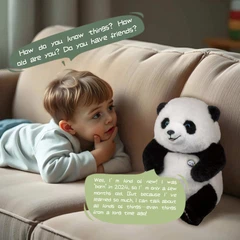
Naming a feeling is the first step toward healthy emotional regulation for children. An emotional regulation toy does more than show feelings - it invites children to talk about them. Powered by child-focused artificial intelligence, the plush toy listens when a child describes their day, asks gentle follow-up questions, and validates what the child is feeling.
If a child says they felt upset at school, the toy might respond with a calm expression and ask what happened to make them feel that way. If a child rambles about a fun birthday party, the toy responds with a happy look and excited, encouraging remarks. This back-and-forth practice helps children organize their thoughts, build emotional vocabulary, and get comfortable sharing how they feel.
This form of social emotional play takes pressure off children. They do not have to worry about saying the wrong thing, being corrected, or making an adult feel worried. They can practice talking about hard or silly feelings at their own pace, in the safety of play. Over time, this practice makes it easier for them to share their emotions with parents, teachers, and friends in real life.

Extending Empathy Building for Kids Beyond Playtime
Parent involvement turns short play moments into lasting emotional growth. While the toy works well on its own, its learning value increases when parents use conversation history as a gentle teaching tool. Through the connected Smartlife app, caregivers can review what topics and feelings their child has been talking about during play, without interrupting the child's independent time.
For example, if a parent notices their child has been talking frequently about feeling left out at recess, they can bring up the topic casually during a walk or snack time. They can ask open questions, share their own similar experiences, and brainstorm kind ways to handle the situation. This approach turns solo playtime into a starting point for deeper family conversations about feelings and friendship.
This guided extension is central to effective empathy building for kids. When children see that the feelings they practice with their plush toy matter in real life too, they start to apply those same recognition and communication skills to the people around them. They learn to notice how others might feel, respond with kindness, and ask questions instead of jumping to conclusions.

Long-Term Benefits of Consistent Social Emotional Play
Regular emotional practice in childhood supports healthy social skills for years to come. Research in child development consistently shows that children with strong early emotional recognition skills have smoother peer relationships, handle frustration better, and adjust more easily to new challenges at school. These skills are not something children are born with - they are built through small, repeated practice over time.
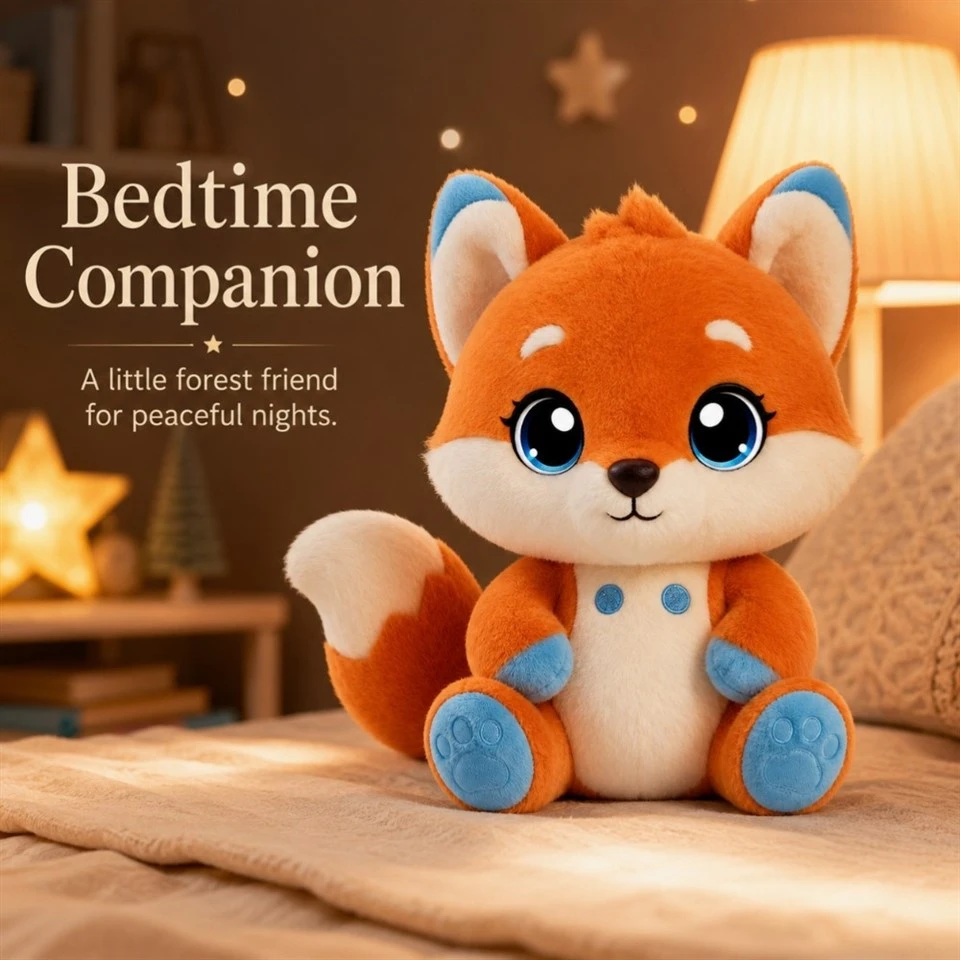
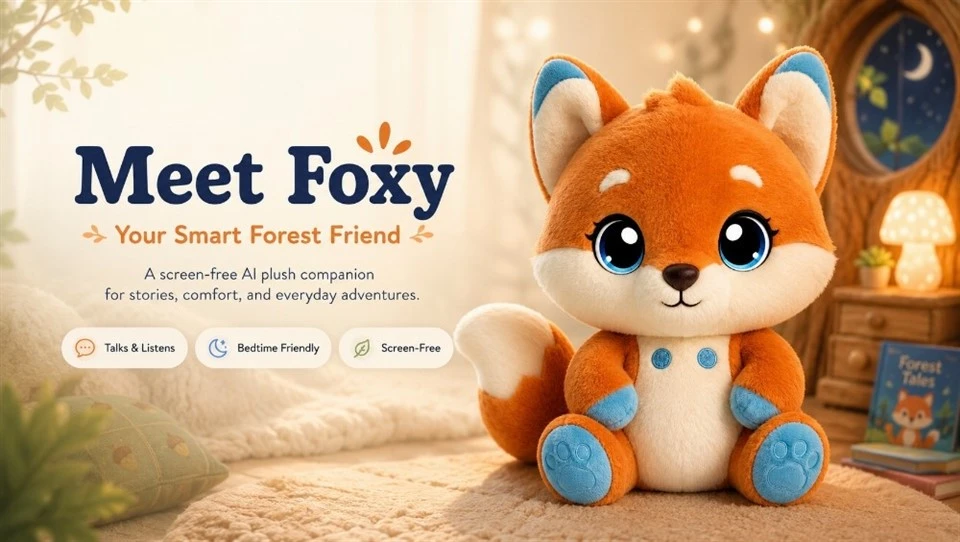
A high-quality emotional learning plush toy fits naturally into daily life, so that practice happens without extra work for families. It does not require scheduled lessons, screen time, or adult supervision to be effective. Instead, it turns ordinary playtime into quiet, consistent training for emotional awareness, communication, and self-control.

Unlike short-lived toys that only entertain, this type of play supports core life skills that carry children through elementary school, adolescence, and adulthood. It combines the timeless comfort of a soft stuffed friend with the thoughtful guidance of modern AI technology, creating a tool that feels like fun to kids and delivers real developmental value to families.
As social emotional play becomes a more recognized part of healthy childhood growth, toys that blend softness, interactivity, and emotional guidance will continue to grow in importance. For families looking to support their child's emotional development in a gentle, play-based way, this type of interactive plush offers a balanced, accessible, and highly effective path forward.
Hot Tags: emotional learning plush toy builds kids feelings recognition skills, China, suppliers, manufacturers, factory, customized, wholesale, bulk, quotation, made in China


