


Custom Cozy Capybara Plush OEM Development
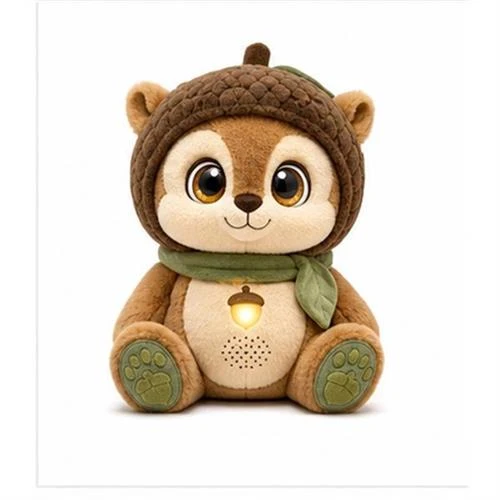
A sage hood, a cream muzzle and two small closed eyes give Cozy Capybara its quiet expression. The brown body sits on rounded feet, with short arms held slightly forward. This custom capybara plush concept is available for a scoped OEM/ODM development discussion with Joy. The first choice is the character itself: the white-background views have sleepy eyes and a short hood, while the presentation boards explore an alert face and a longer shoulder covering. Voice, belly lighting and rechargeability are proposed options. A quotation and sample brief need to identify which appearance and functions belong to the edition being developed.

A face built from a few quiet lines
In the white-background front view, two short curved eyelids sit above the cream muzzle. The small arms leave the belly area visible rather than covering it. For capybara plush customization, preserve these relationships before adding branding. A logo, patch or changed hood edge should not crowd the muzzle. The face has very few elements, so moving one can noticeably change the expression.
The cream muzzle occupies a generous part of the face. Above it, the eyelids curve down gently; below it, the broad body gives the head somewhere to rest visually. There is little surface decoration competing for attention. That makes the relationship between the muzzle, hood opening and eyes more significant than a small detail might suggest.
For a brand, this is a character that can carry a restrained identity. Branding could sit on a label or packaging while the expression remains the main visual element. A larger embroidered mark on the belly would create a different impression and may conflict with a proposed light area. Those are edition choices to resolve together. The darker circular feet also anchor the front view. They remain part of the identity when the product is reduced to a thumbnail, where fine stitching or a small badge may be difficult to distinguish.
Brown, cream and sage as one material story
The three-quarter view separates the warm brown body, pale cream muzzle and muted green hood. A private-label capybara can use those surfaces to establish a coherent brand edition. The illustrated textures suggest a soft textile direction, but fabric composition, pile, filling and hand feel are not verified. Select actual material references before describing the finished product as a particular textile or grade.

The three colors do different jobs. Brown establishes the broad body, cream brings the muzzle forward and sage gives the hood a separate outline. The rounded feet use a darker brown, creating a visible base without adding a contrasting color. A successful material selection would preserve those relationships in an actual sample. The rendered texture alone cannot settle them.
The fabric discussion therefore starts with a coordinated set. Pile length, direction and backing can alter how a color reads across a curved piece. A hood material that appears attractive as a flat swatch may behave differently around the face opening. The sample reference needs to show the assembled result as well as the material selected for each part.
The practical result is a shared appearance target. It gives the buyer a more precise basis for commenting on a sample than premium or ultra-soft, which do not identify a particular textile or a measurable finished specification. Care and technical requirements still need to be considered alongside that appearance target.

The hood changes the personality and the pattern
The right-side view shows a short hood edge around the face and two rounded protrusions on top. In OEM plush development, decide whether that hood is integrated, permanently attached or intended to be removed. A drawing with no visible opening cannot prove how the finished garment works. The decision affects pattern pieces, assembly, adult care and the appearance of the capybara beneath it.
The short hood in the side reference exposes most of the brown body. Its edge follows the face, and the two rounded top details make a small, recognizable silhouette. The longer shoulder treatment in the hero board changes that balance: more green becomes visible around the upper body. These are different garment treatments, even though both use the same broad palette.
A fixed hood would keep the intended outline in a repeatable position. A removable garment would introduce another way to handle and present the character, along with a separate refitting task. Either could be discussed, but neither attachment route is proved by the render. The choice influences the pattern, assembly and care approach. It also changes what must be shown in the first sample: a garment that fits attractively in a still photograph may still need work when it is removed and replaced by the intended adult user.
A seated product needs room in the pack
The supplied dimension board contains proposed measurements. For custom plush manufacturing, replace those illustrated callouts with an approved drawing before designing packaging. Specify where height, width and depth are measured, including the hood, arms and seated feet. A product that fits an estimated body outline may still require a different insert once the projecting parts are included.

The seated shape has depth as well as width. The muzzle projects from the face, the arms sit forward and the feet define the lower front edge. A package planned around the brown torso alone would overlook the parts that give the character its identity. The concept dimension board can introduce this discussion, while an approved drawing supplies the reference for a pack proposal.
The opening experience matters here. A character held tightly around its hood may arrive with the face partly obscured; an insert supporting the base would present it differently. These are questions for the proposed pack and sample, rather than established performance of this concept. A buyer can compare a simple volume mock-up in the intended display space before committing to an elaborate presentation. That makes it easier to discuss how much of the muzzle, feet and green hood the customer will see together when encountering the edition for the first time.

Choose between the illustrated expressions
The character board shows open eyes and a longer green shoulder treatment than the closed-eyed white-background views. This is an important character design decision, not a minor photographic variation. A buyer may prefer the quiet, sleepy expression or the more alert face. Mark the chosen version explicitly so quotation, sample comments and package artwork do not mix features from both without discussion.
The board also illustrates a bright belly motif. It can communicate a desired visual direction, but it does not confirm a light source or an interaction. Separate appearance decisions from proposed electronic behavior. The approved face should remain identifiable whether an optional light is on, off or absent from the selected edition.
For a range, the two expressions could be evaluated as different editions if that serves a clear buying purpose. Each would need its own approved reference and a defined feature set. Presenting alternatives honestly gives a brand room to develop an identity without making the buyer guess which image represents the product being discussed.
Use the rear view to resolve assembly questions
The rear reference reveals a central hood seam, a rounded back and a small tail near the base. For a capybara plush prototype, these details help locate the questions that a front image hides. They do not establish a battery opening, removable module or service panel. Ask where any proposed access would sit and how it would affect the clean back silhouette.

If electronics are requested, discuss their integration while the pattern can still change. A proposed internal unit needs support that preserves the intended shape and does not create an unexpected hard area in the handling zone. The correct arrangement depends on the selected components and intended use.
The small tail should also be included in appearance and attachment reviews. It is part of the character when seen from the side or rear, even if it is barely visible in the main product photograph. Document how the final sample differs from the rear reference, particularly when an opening, label or closure is added during development.

Turn the belly effect into an observable brief
From above, the green hood and brown body remain visually distinct. The belly glow in the other images is a proposed effect for an interactive capybara plush, not measured illumination. If light is part of your project, describe where it should appear, how it begins and how it ends. Brightness, color, timing, power use and durability need evaluation on an actual integrated sample.
The buyer should be able to describe a short user journey without relying on the word smart. A deliberate input followed by a defined visual response is one possible starting point. Continuous illumination, sound-linked light and a changing animation would be different requirements. Choose the behavior that serves the intended use.
Review the appearance when unilluminated as well. A window or translucent panel may change the look and feel of the belly even when the electronics are inactive. That tradeoff belongs in the design discussion early. The goal is a coherent character whose optional interaction complements the body, rather than a decorative render that leaves the practical experience undefined.
Specify voice and controls without crowding the character
The left-side profile makes the short arms, forward muzzle and seated depth clear. In electronic toy development, these features limit where a control or acoustic opening can be placed unobtrusively. A speaker, microphone or touch input is not confirmed by this view. Request a proposed integration layout and evaluate it against the actual use scenario before adding interface claims to sales artwork.

Recorded audio, a restricted spoken interaction and open-ended AI conversation are different projects. Content, response limits, connectivity, information handling and ongoing support should follow the chosen experience. Do not assume that an attractive companion illustration makes those decisions for the team.
If a connected edition is considered, identify who owns and maintains the service and what the object does when the service is unavailable. If an offline edition meets the brief, define its controls and content just as clearly. A simple interaction still needs an understandable start and stop. The proposed capybara should be assessed as a complete object with an actual user, not a list of unrelated electronic features.

Let the package explain the selected edition
The family scene is a lifestyle illustration, not a documented customer trial. It suggests shared use, which can guide a private-label plush project discussion without proving comfort, sleep or developmental outcomes. Packaging should explain the edition actually being developed. A display plush, an audio edition and a proposed connected companion should not share an ambiguous front panel that implies all functions are included.
Show the buyer how the character appears through the intended package or on the main product image. The cream muzzle and sage hood should stay distinguishable at that scale. If a window is proposed, ensure the pack layout introduces the face rather than hiding it behind a feature badge.
Joy's visual project updates offer another way to discuss design direction. They are not evidence of this concept's production readiness. Contact Joy on WhatsApp: +86 13691793052; e-mail: xdt05@dtdianzi.com. Send the target market, intended user and proposed edition with annotated images so the next discussion can address a defined product rather than a collage of possibilities.
Quote a defined development scope
The function board proposes voice interaction, a belly light and rechargeability. Treat these as OEM/ODM development options until the architecture, construction and functional evidence are agreed. A quotation should identify exactly which work is included and which questions remain open. The concept board alone establishes no material specification, certified performance, minimum order quantity, production price or confirmed delivery schedule.

Ask for separate descriptions of appearance development, optional electronics, content work, packaging and sample evaluation. That makes it possible to compare proposals addressing the same edition. A decoration-only offer cannot be assessed as if it includes firmware, audio and an integrated functional sample.
At the sample stage, record comments against the approved reference: closed or open eyes, hood length, muzzle shape, feet, tail and selected interaction. Identify which observations need correction before the next decision. After changes, check that the character still reads as the same capybara. A clear scope and consistent reference make a more useful buying foundation than an extensive specification assembled from unverified artwork.
Give the first edition a clear identity
For this custom capybara plush, start by choosing the expression and hood treatment. Preserve the cream muzzle, broad seated body and rounded feet that make the character readable. Then decide whether a conventional plush or a defined interactive edition best fits the buyer's channel. Materials and optional electronics can be assessed against that coherent brief.
Bring Joy the market, intended recipient, selected images and essential changes. Include the expected use and care approach, not just the desired appearance. A focused request gives the development discussion a practical starting point and helps identify what the first sample must demonstrate before a production decision.
FAQ
Q: Which face is the reference for the first sample?
A: The white-background images show closed eyes; the concept boards explore open eyes. Choose one and mark the approved image before pattern or package development.
Q: Does this capybara already have AI, light and charging?
A: The boards propose those functions. Actual hardware, behavior and performance need confirmation through a defined development scope and functional sample.
Q: Can we customize the hood and branding?
A: Include the hood treatment, palette, label position and packaging in the brief. Feasibility and terms depend on the agreed construction and edition.
Hot Tags: custom cozy capybara plush oem development, China, suppliers, manufacturers, factory, customized, wholesale, bulk, quotation, made in China